




Dr. Phil Zeltzman’s Blog
Is my pet too old for anesthesia?
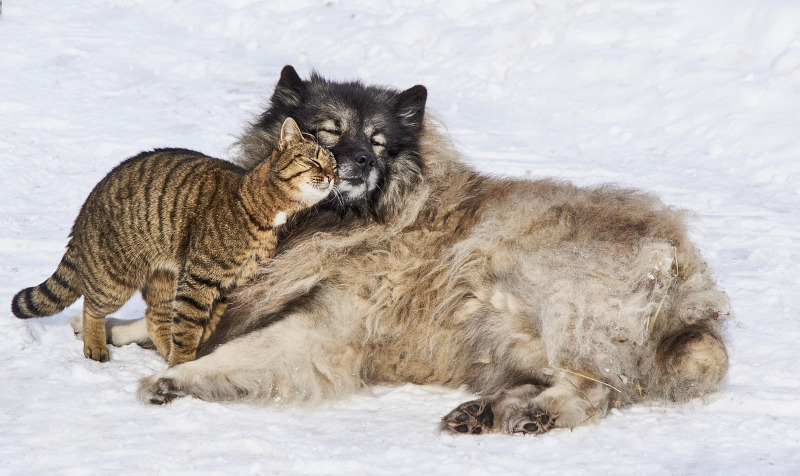
Is my pet too old for surgery?
We often hear this question from pet lovers, and even occasionally from family vets.
What they really mean is: is this pet too old for anesthesia?
Our usual answer is “Age is not a disease,” which is true.
Age is just a number.
We’ve seen extremely sick 5 year old patients, and very healthy 15 year old patients.
Which one do you think is at higher risk for anesthesia?
In addition, all dogs are not treated equal. A 10 year old poodle cannot be treated like a 10 year old Mastiff (we are alluding to the fact that it is said that small dogs live longer than large breeds).
Rather than a blanket, somewhat tongue-in-cheek answer (“Age is not a disease”), the solution to the dilemma is a bit more nuanced.
It’s not so much the age, or the number of years, that matter.
Instead, it’s the consequences of aging that we should focus on, because it makes the patient more “frail”.
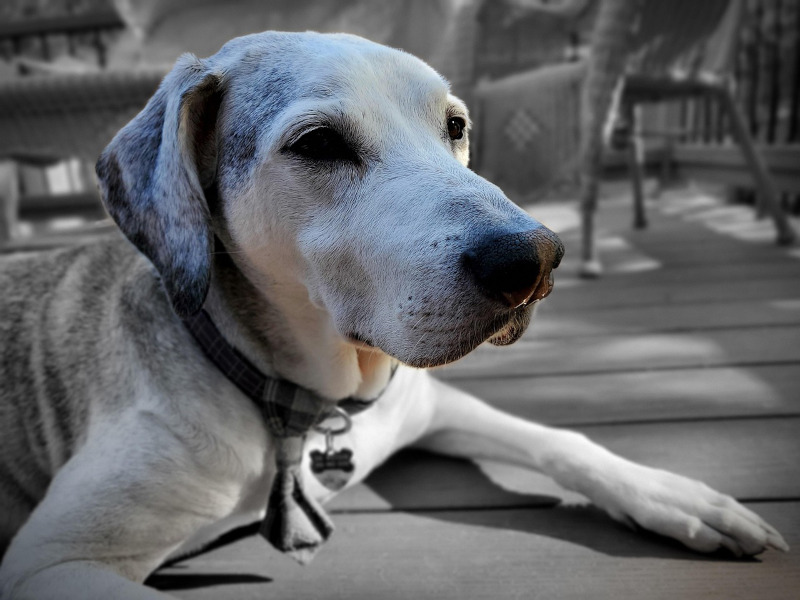
What is a frail patient?
In humans, “frailty” is defined as having less “fuel in the tank” and being “easier to be stressed out” (in the medical sense).
Frailty better predicts getting in trouble (or dying) under anesthesia, compared to age alone.
A frail patient will have a tougher time maintaining their heart rate and blood pressure, or staying warm, or breathing well, while under anesthesia.
Their liver and kidneys may be less capable of eliminating toxins (e.g. anesthesia drugs).
Who is considered a senior patient?
- Senior age is tough to tell in a dog, so it is considered to be the last 20% to 25% of the pet’s lifespan.
- Cats are more uniform in size compared to dogs, so they’re considered senior once they turn 10.
So how do we keep senior patients safe?
We take multiple precautions, depending on the particular patient, including:
- smaller drug amount.
- more padding, from the kennel to the OR and back.
- more heat support.
- more oxygen at the beginning and the end of anesthesia.
- conservative amounts of IV fluids to avoid overloading the heart.
- appropriate amounts of pain medications: not too little, not too much.
- overall more TLC, which might include hugs, kisses and handfeeding.
How about anesthesia drugs in older patients?
The general idea is to give as little as needed.
More specifically, we can lower the amount of drugs to put them, and keep them, under anesthesia.
In addition, we sometimes will avoid using a certain type of drugs altogether, depending on the organs affected, such as heart, liver, and kidneys, based on preop exam & blood work results.
And of course, like any of our patients, a senior pet will be closely supervised by one of our amazing nurses, from the very beginning to the very end of anesthesia.
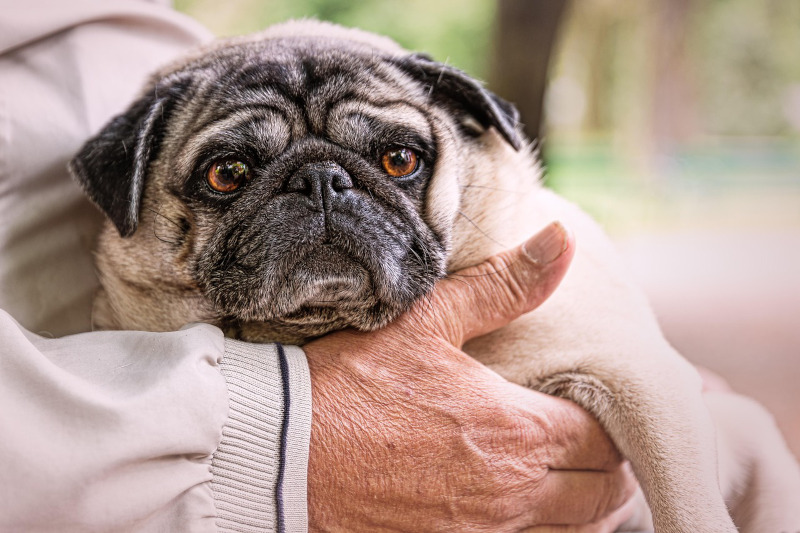
How many senior patients die under anesthesia?
Thankfully, dying under anesthesia is exceedingly rare when all of the above precautions are taken.
In 2008, a gigantic British study (on almost 100,000 dogs and almost 80,000 cats) showed that 0.17% of dogs and 0.24% of cats die under anesthesia.
And you would think those numbers could be even lower today with safer drugs, better protocols and fancier anesthesia monitoring.
A death is always a tragedy, but these numbers are incredibly low when you remember that they combine the absolute healthiest and the absolute sickest of patients.
So remember, it’s not the age of the patient that matters, as much as how sick they are.
If you would like to learn how we can help your pet with safe surgery and anesthesia, please contact us through www.DrPhilZeltzman.com
Never miss a blog by subscribing here: www.DrPhilZeltzman.com/blog
Phil Zeltzman, DVM, DACVS, CVJ, Fear Free Certified
Pete Baia, DVM, MS, DACVS
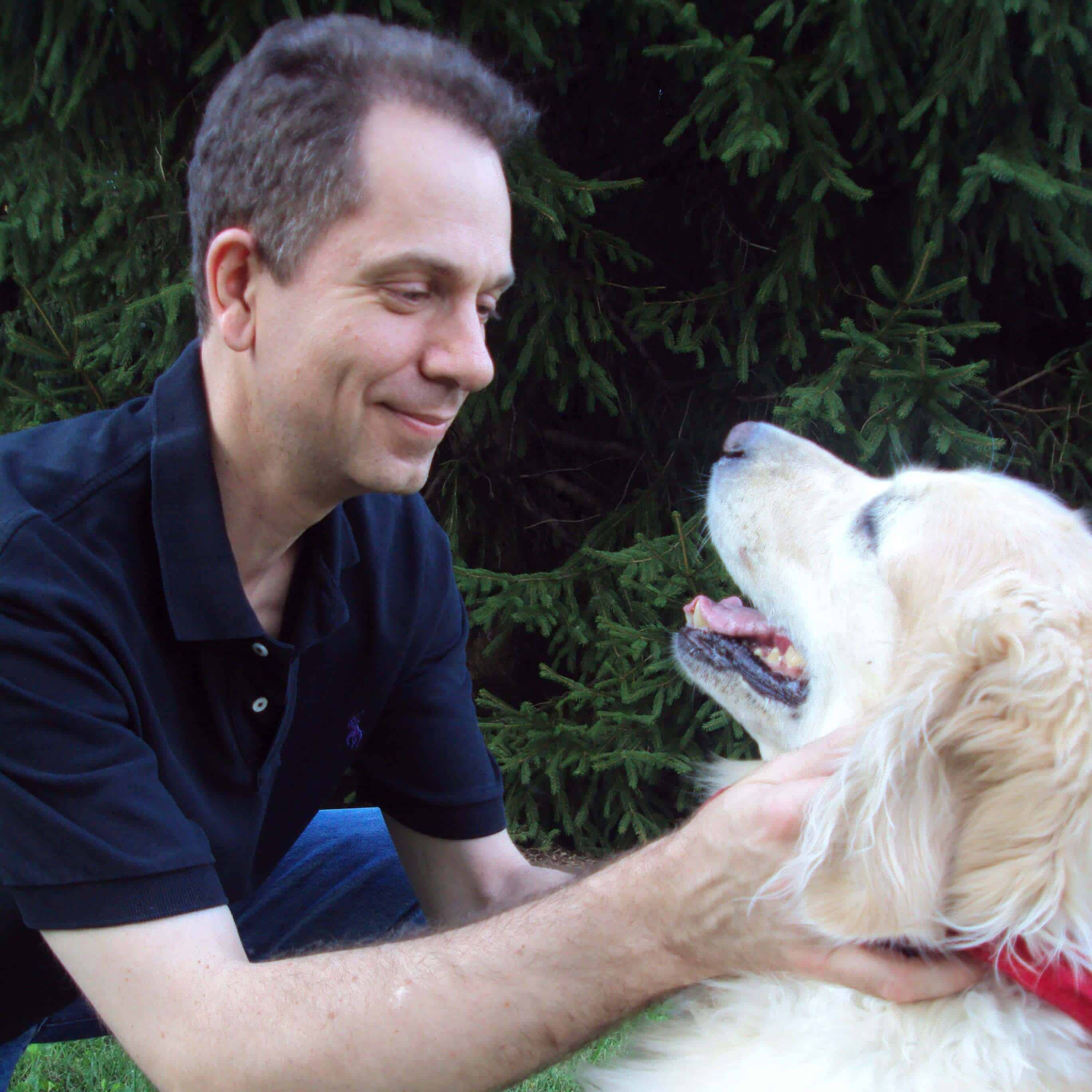
Dr. Phil Zeltzman is a traveling veterinary surgeon in Pennsylvania & New Jersey. An award-winning author, he loves to share his adventures in practice along with information about vet medicine and surgery that can really help your pets. Dr. Zeltzman specializes in orthopedic, neurologic, cancer, and soft tissue surgeries for dogs, cats, and small exotics. By working with local family vets, he offers the best surgical care, safest anesthesia, and utmost pain management to all his patients. Sign up to get an email when he updates his blog, and follow him on Facebook, too!