




Dr. Phil Zeltzman’s Blog
What are the top 5 concerns before anesthesia?
Most pet owners are not really concerned about surgery.
They’re mostly afraid of anesthesia.
Here are their top 5 concerns, based on multiple conversations with pet lovers.
Note: we will not discuss one classic question here, which was answered in a previous blog:
https://www.drphilzeltzman.com/blog/is-my-pet-too-old-for-anesthesia/
1. Is Anesthesia Safe for My Pet?
Having a pet die under anesthesia is probably the #1 fear of most pet owners.
And we’d be the first ones to tell you that no anesthesia is 100% safe.
Few things in life are.
Driving a car, flying on a plane or eating peanuts in not 100% safe.
The fear of anesthesia is very emotional and somewhat irrational.
It has to do with fear of the unknown.
It probably has to do with the magic of anesthesia.
Think about it.
We put a patient under anesthesia.
We do surgery, – and sometimes very invasive surgery (cutting tissues, removing body parts, putting broken bones together) – while the pet is sound asleep and completely pain free.
And then they magically wake up – all thanks to our amazing nurses.
Maybe not super happy, but overall comfortable.
And after a few hours or a few days, they look like they never had anesthesia.
What we can to help pet these days is truly remarkable!
Yet most clients are terrified of anesthesia.
Science confirms how incredibly safe anesthesia is.
The risk of a pet dying under anesthesia is, on average, under 0.25%.
While every death is an absolute tragedy, this number is incredibly low.
The risk is even lower in healthy patients, and a bit higher in very sick patients.
Still, this number is very low, which means that anesthesia is overall very safe.
2. What Are the Real Health Risks of Pet Anesthesia?
Many pet owners are concerned about how their pet’s preexisting health conditions could affect their ability to handle anesthesia.
Now, that’s a fair concern.
As you can imagine, a pet with severe heart disease, kidney disease, or liver disease, can be affected by anesthesia.
It’s very clear that pre-existing health issues increase the risk of anesthesia, making this a significant concern.
So what do we do to minimize the risks?
. We do a physical exam before any anesthesia and surgery.
. If we detect a mild heart murmur, we can change one of the drugs we use to put a patient under.
We can be more conservative with the amount of IV fluids we give to the patient, so we don’t overload the heart.
Some pets with severe heart disease should have an ultrasound of the heart and may need heart medication.
That would make anesthesia safer.
We require full blood work before any anesthesia and surgery.
If we find out that the patient has kidney or liver disease, we put them on IV fluid first thing in the morning to give their body time to get rid of the toxins before anesthesia and surgery.
Then we rely on the family vet to decide what medications, food, or supplements could support the liver or the kidneys.
3. What to Expect After Anesthesia?
Some pet owners worry about how their pet will recover from anesthesia.
They want to know how long it will take for their pet to wake up, how they will feel afterward, and what to expect during the recovery process.
A. How long will it take for my pet to wake up?
It takes a few minutes to a few hours.
It’s hard to predict, every patient is different.
As you can imagine, a young, healthy pet will usually wake up faster than a senior pet with a serious health condition.
B. How will my pet feel after anesthesia?
We wish we knew!
We don’t know how pets feel after anesthesia.
They refuse to tell us!
It’s probably safe to assume that they feel the same as a human waking up from anesthesia: groggy, spacey, and discombobulated.
The main difference is that pets, unlike humans, have no clue what just happened.
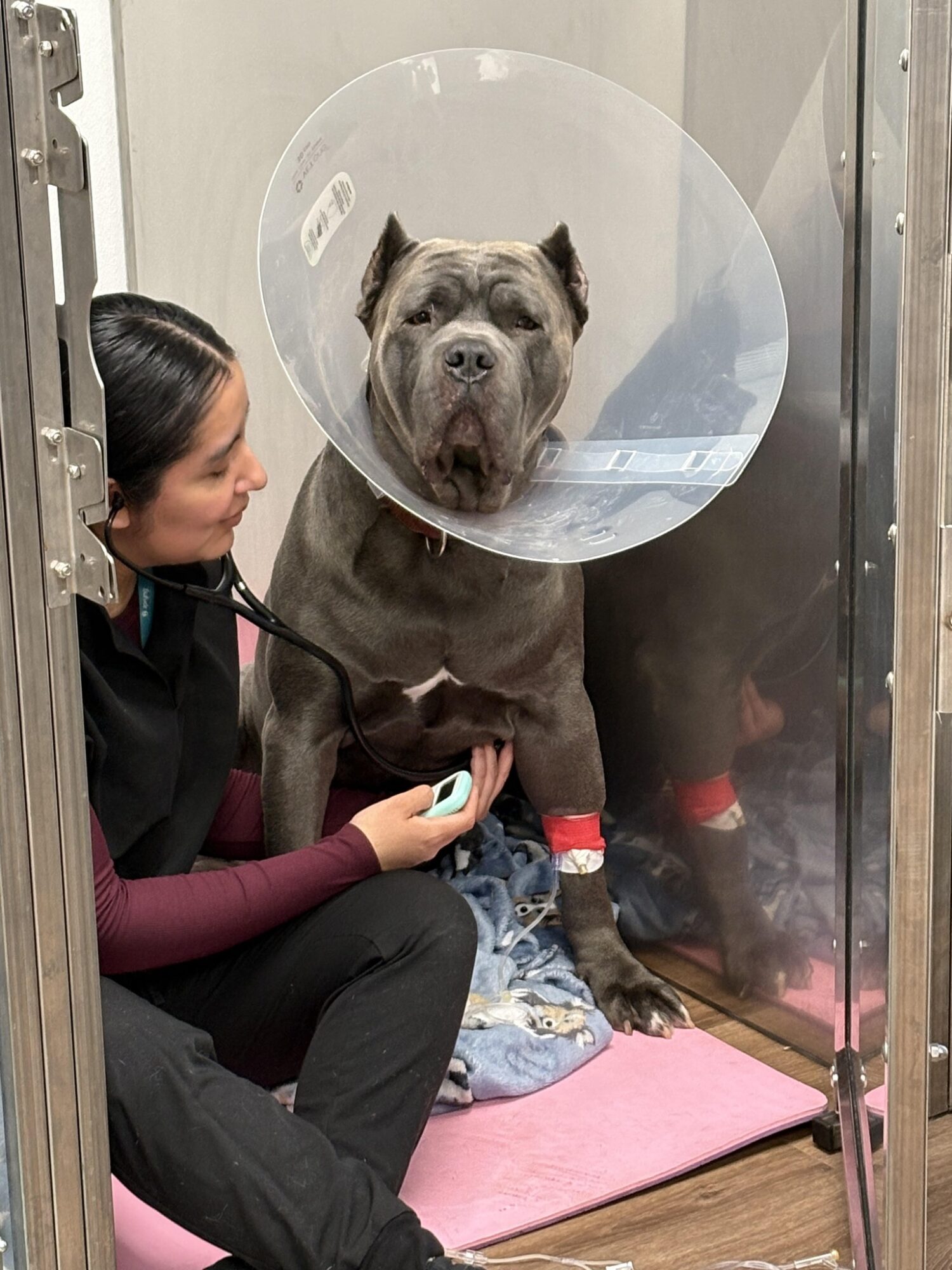
That’s when it’s important to have amazing, loving, caring nurses who can reassure their patients and make the waking part less stressful.
4. Will My Pet Be in Pain After Anesthesia?
Some pet owners are concerned that their pet is in pain during and after anesthesia.
We are extremely aware of this, which is the reason why we are so incredibly generous with pain medications.
Before, during and after our most common surgery, the TPLO (to address a torn ACL), we use about a dozen different types of pain medications!
That’s a lot!
In other surgeries, we use every possible way to fight pain.
For example, we routinely inject a pain-blocking medication near a nerve (similar to what you get at the dentist), under the guidance of an ultrasound.
As we always say, “pain is not acceptable.”
We have made a tremendous amount of progress in the last few years to understand, prevent and treat pain.
We now have access to safe and powerful drugs, and we use them every time we can.
5. What to Expect After Surgery?
Pet owners who haven’t worked with us before probably worry about not fully understanding the surgery, the risks and the postop instructions.
We provide a ton of information so that our pet owners are fully educated before anesthesia and surgery ever happens.
We explain food and water restrictions, which medications to give or not give, and all specific preop and postop instructions.
We communicate via phone, email, video and face-to-face.
We provide written instructions, which we go over line by line, right before a pet goes home.
We always ask “do you have any questions?” several times, until all questions are answered.
So our clients should feel very well prepared before their pet’s surgery.
And if that were not enough, we’re just a phone call away if there’s any additional questions.
We may have done a procedure 1,000 times.
Yet for most pet owners, it’s their first time.
So we educate them step by step, so they are fully prepared.
Hopefully the answers to the top 5 concerns you may have before your pet’s anesthesia and surgery reassured you.
We will do everything we can to ensure a safe and happy outcome.
If you would like to learn how we can help your pet with safe surgery and anesthesia, please contact us through www.DrPhilZeltzman.com
Never miss a blog by subscribing here: www.DrPhilZeltzman.com/blog
Phil Zeltzman, DVM, DACVS, CVJ, Fear Free Certified
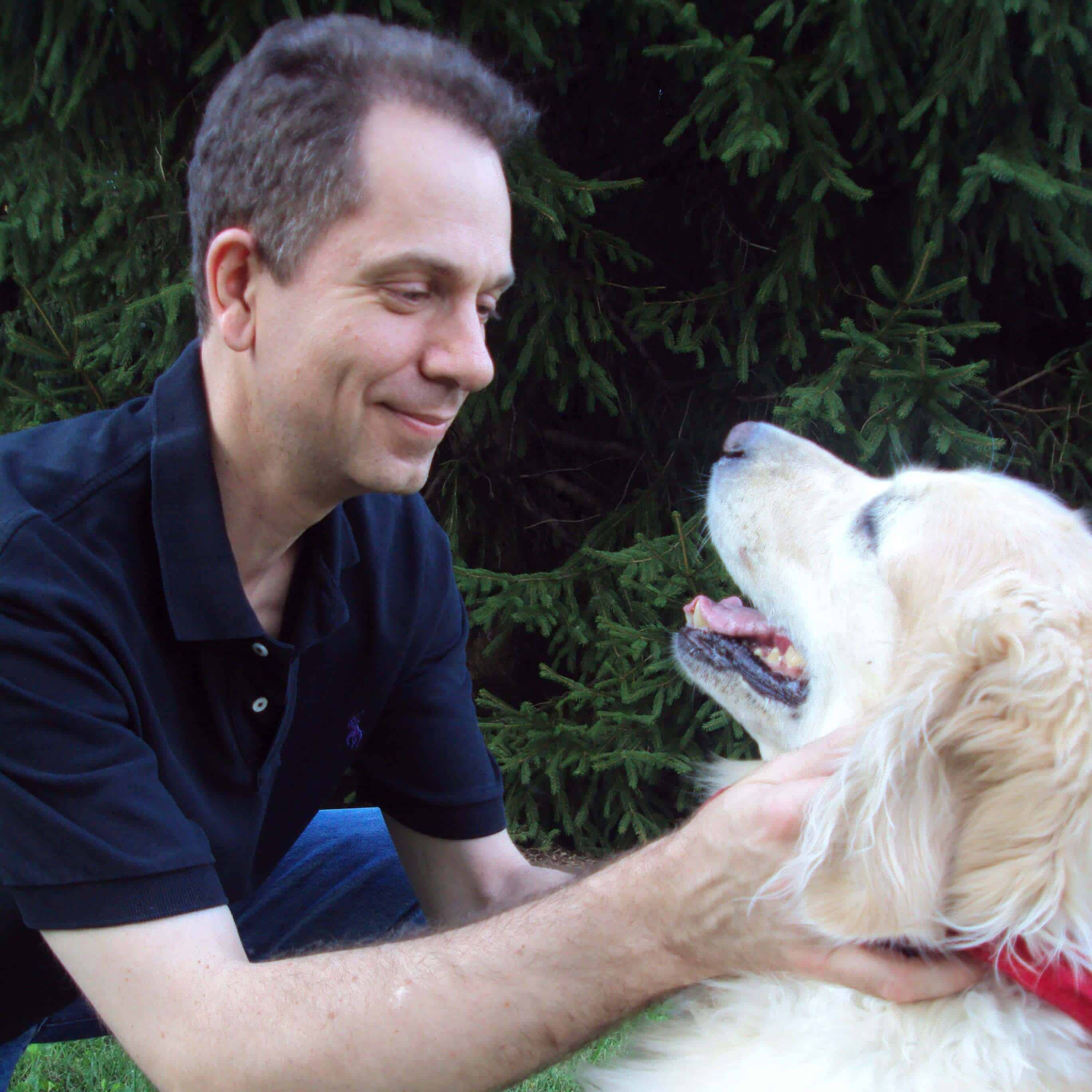
Dr. Phil Zeltzman is a traveling veterinary surgeon in Pennsylvania & New Jersey. An award-winning author, he loves to share his adventures in practice along with information about vet medicine and surgery that can really help your pets. Dr. Zeltzman specializes in orthopedic, neurologic, cancer, and soft tissue surgeries for dogs, cats, and small exotics. By working with local family vets, he offers the best surgical care, safest anesthesia, and utmost pain management to all his patients. Sign up to get an email when he updates his blog, and follow him on Facebook, too!