



Dr. Phil Zeltzman’s Blog
My dog is limping – when should I see a surgeon?
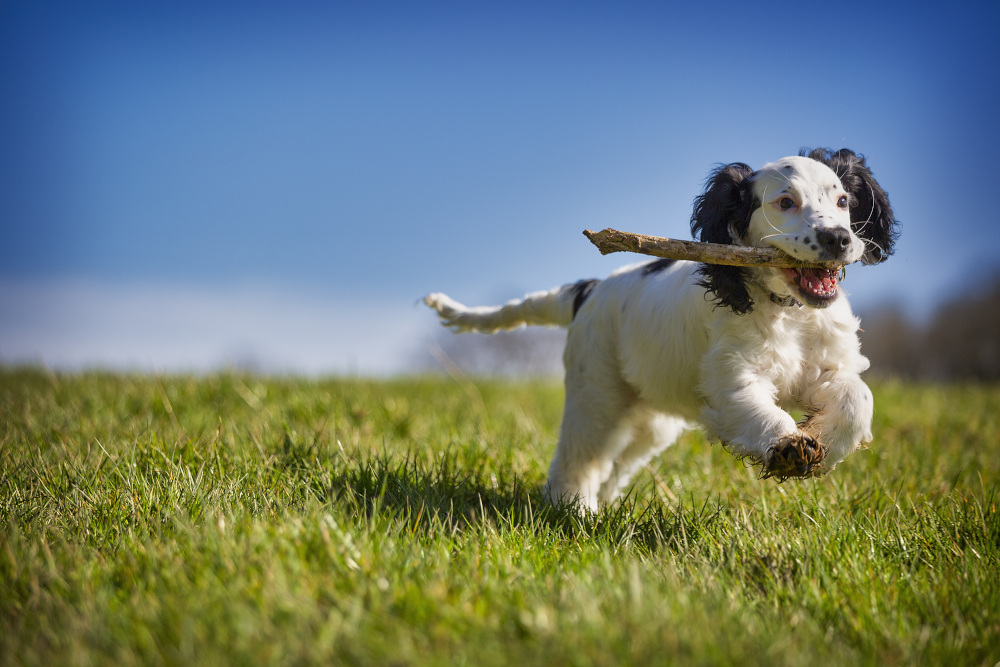
Your dog woke up limping (although we won’t mention cats below, the exact same reasoning applies to them!).
Maybe it started after rough playing, a jump off the couch, or seemingly out of nowhere.
You’re not sure whether to wait and see – or pick up the phone.
This blog will help you decide.
What causes limping in dogs?
Limping – also called lameness – means your dog is not putting weight normally on one or more legs.
It can affect any leg, and it can range from a subtle hitch to a complete inability to bear weight.
The causes range from minor to serious, including:
- A thorn, cut, or foreign object in the paw
- A sprained muscle or ligament
- A broken nail
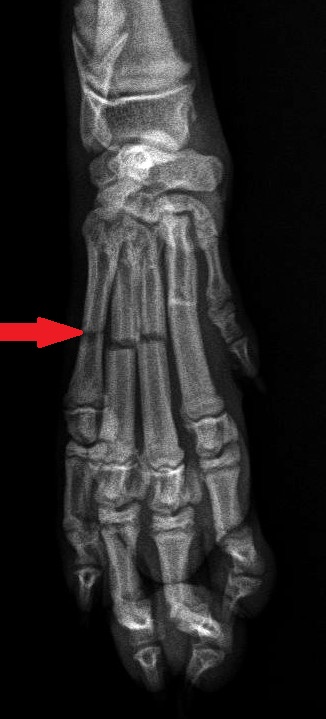
- A fracture (broken bone) – see the X-ray of broken toes below
- A torn ACL (Anterior Cruciate Ligament) or CCL (Cranial Cruciate Ligament)
- Hip dysplasia – abnormal development of the hip joint
- Bone cancer
- A dislocated joint
- A nerve or spinal problem.
Some of these resolve with rest or a simple fix.
Others require surgery – and the sooner, the better.
When should I take my limping dog to the vet?
The answer is simple: if your dog is limping and it has not resolved within 24 to 48 hours of rest, please see your family or emergency vet.
However, in the case of known trauma, or if you suspect your pet has a broken bone, a trip to your family vet, a surgeon or the ER, needs to happen ASAP.
Do not wait days or weeks hoping it will go away on its own.
Many conditions – like an ACL tear or a fracture – will not heal without treatment, and delay only makes them worse.
Your family vet or the ER is the right first step.
They will examine your dog, take X-rays if needed, and determine whether a referral to a board-certified surgeon is appropriate.
What are the red flag signs that mean call today?
Some signs mean you should call your vet immediately – today, not tomorrow:
- Complete non-weight-bearing – your pet refuses to put any weight on the leg at all
- Visible deformity – the leg looks bent, twisted, or at an abnormal angle
- Swelling, heat, or an open wound on the leg
- Sudden onset after a known trauma – a car accident, a fall, a collision
- Crying out in pain when the leg is touched or moved
- Dragging one or both back legs – which could be a spinal emergency
- Limping that is rapidly getting worse over hours, not days
IF YOUR DOG SHOWS ANY OF THESE SIGNS, THIS IS AN EMERGENCY.
Please call your vet — or an emergency animal hospital — right away.
When does a limping dog need a surgeon?
Your family vet will guide this decision, but in general, a referral to a board-certified surgeon is recommended when:
- The diagnosis requires fancy X-rays
- A bone fracture needs to be repaired
- A joint needs to be reconstructed – such as after an ACL tear
- A bone or soft tissue tumor needs to be removed
- The lameness has not responded to rest and medication
- A second opinion is needed after an inconclusive workup.
A board-certified veterinary surgeon, someone with the letters DACVS (Diplomate of the American College of Veterinary Surgeons) after their name – has completed years of additional training specifically in surgical conditions like these.
They are not a replacement for your family vet – they are a partner.
What conditions most commonly require surgery in limping dogs?
Here are some of the most common surgical causes of limping in dogs:
ACL tear (Torn Cruciate Ligament)
The ACL is the most commonly torn ligament in dogs.
It causes sudden rear-leg lameness, often after running or jumping.
Without surgery, most dogs with an ACL (or CCL) tear will not return to normal function.
We have a detailed explanation of the TPLO surgery here:
https://www.drphilzeltzman.com/tplo
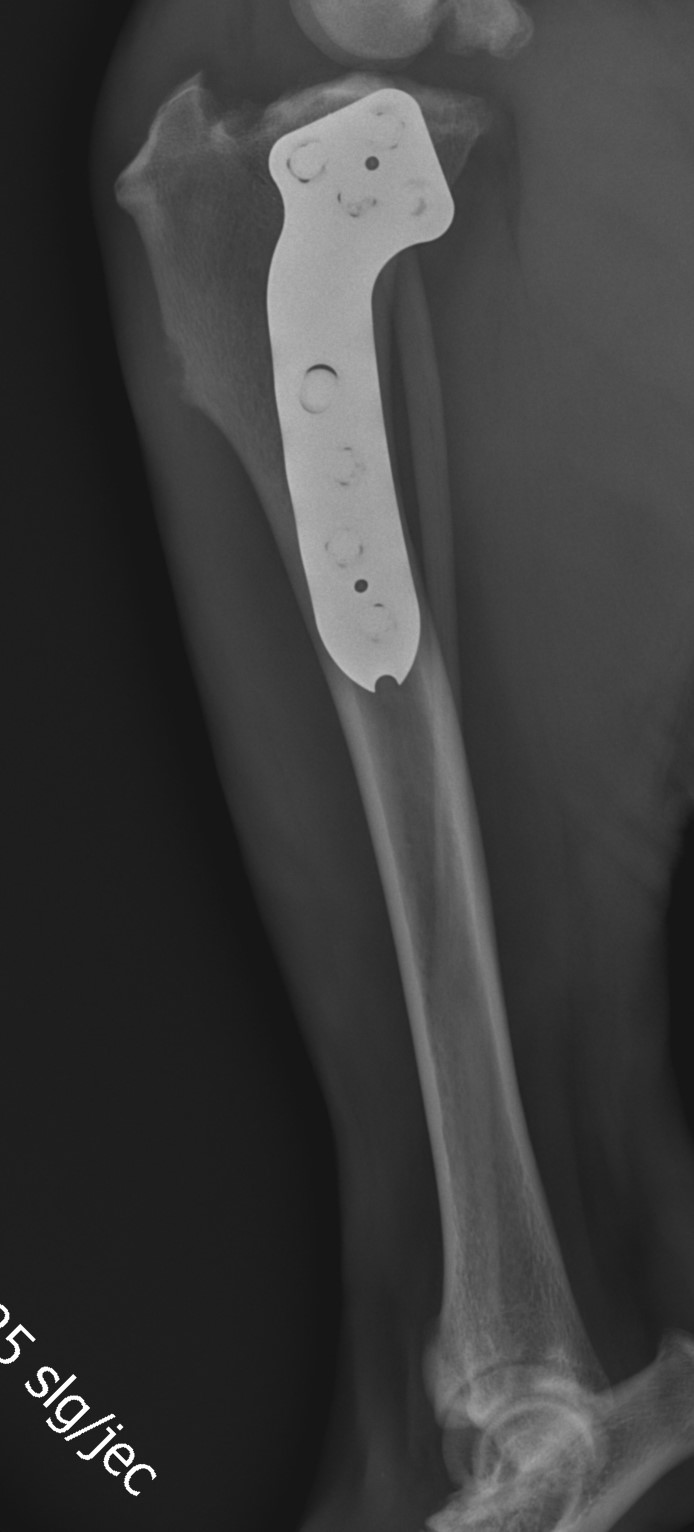
Here is a postop X-ray of a TPLO done on a 6 year old Labrador.
Hip dysplasia
Hip dysplasia is a developmental condition where the hip joint forms abnormally, causing pain and eventually arthritis.
Some surgical options range from an FHO (Femoral Head Ostectomy) to a Triple Pelvic Osteotomy (TPO) or a Total Hip Replacement (THR).
We wrote a detailed blog about hip dysplasia – you can read it here.
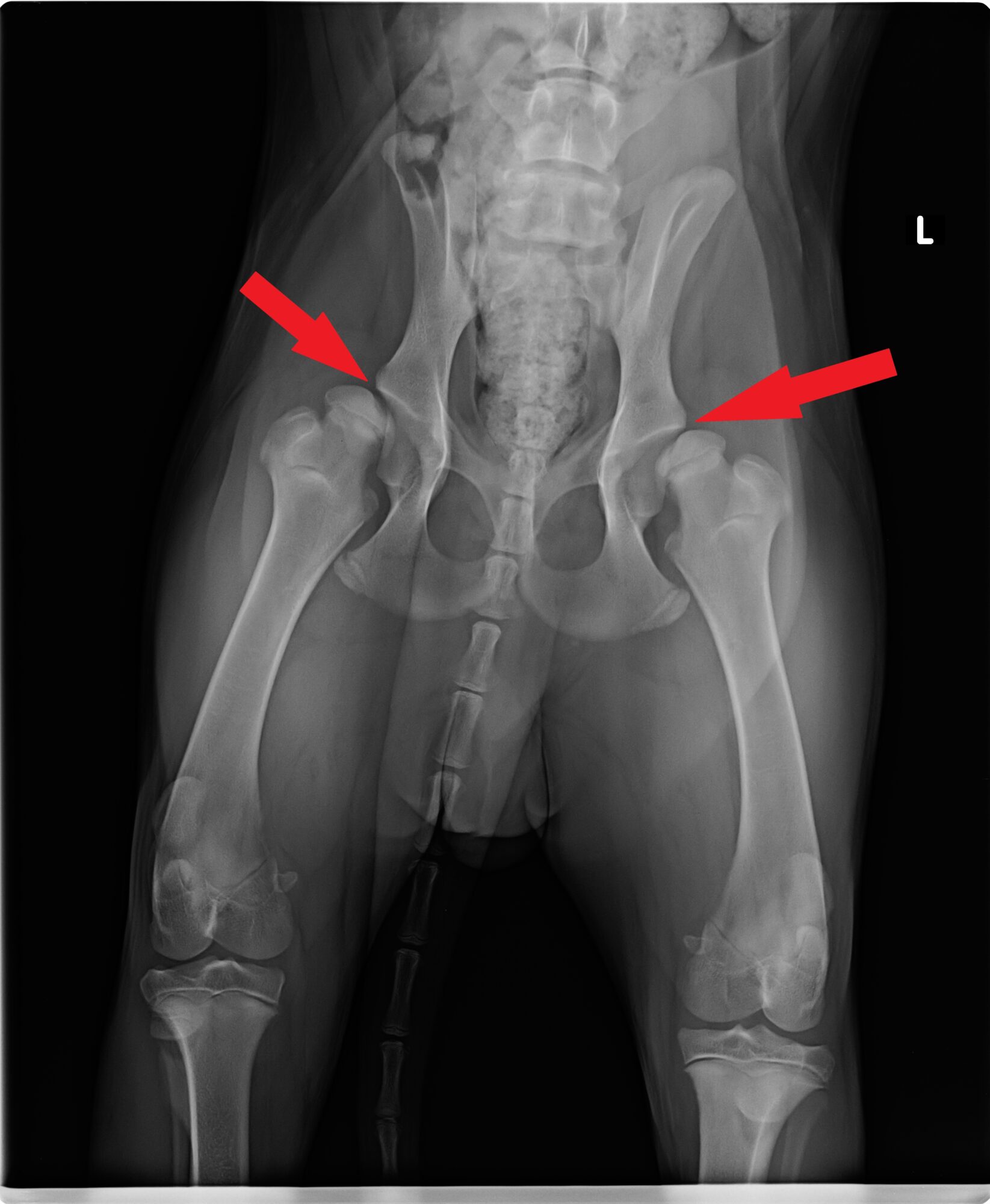
Here is an X-ray of a 6 month old Mastiff with severe hip dysplasia. Notice how the “ball” of the thigh bone (or femur) doesn’t fit inside the socket.
Fractures and dislocations
A broken bone and joint dislocations almost always require surgical repair to heal correctly.
Daisy Duke, a Golden Retriever we treated, dislocated her ankle after a stumble in the park – and spent weeks without a clear diagnosis before finding her way to us.
You can read her story here.
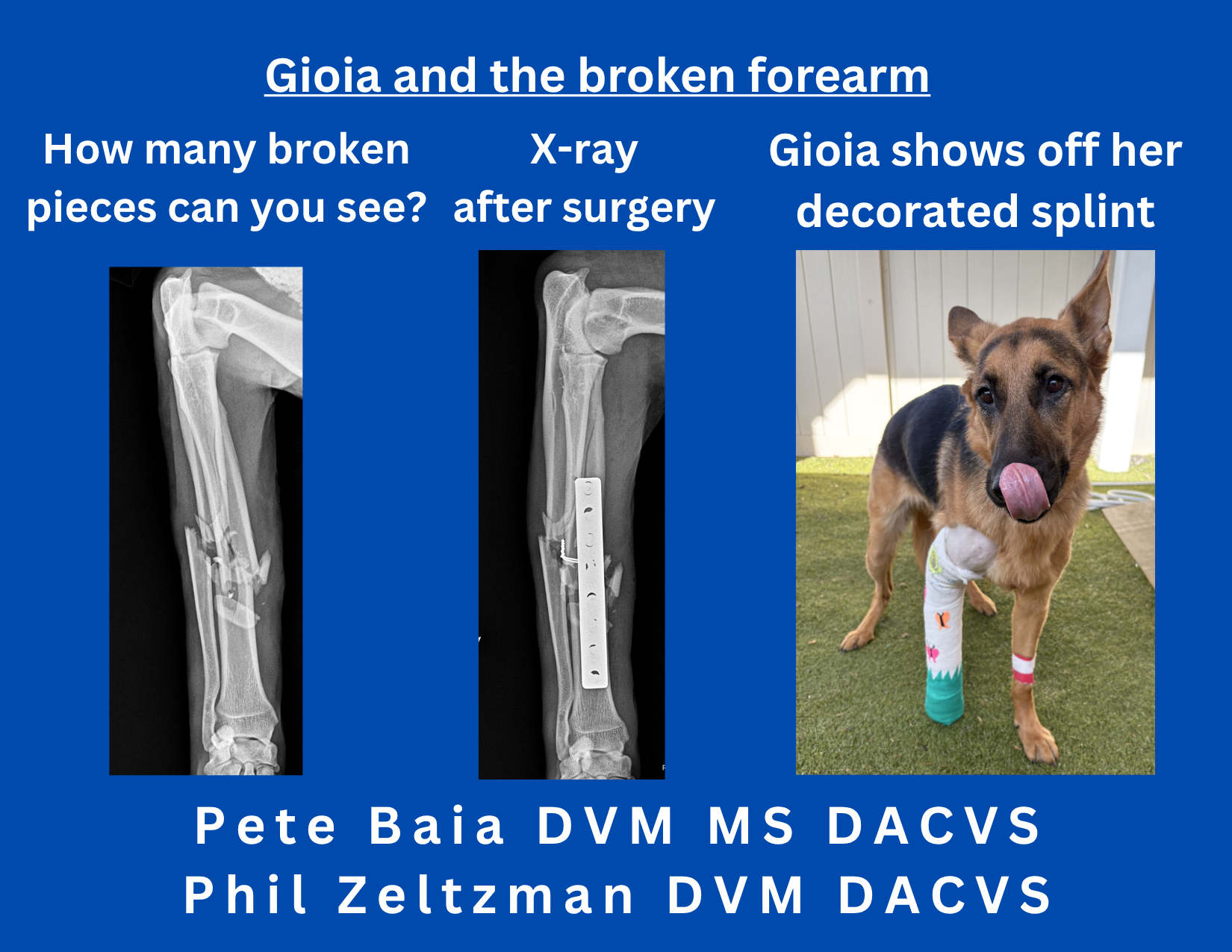
Here are before and after X-rays of a 1 year old German shepherd with a broken forearm (radius and ulna).
Angular Limb Deformity
Sometimes a young dog’s bones grow unevenly, causing a leg to bend in the wrong direction.
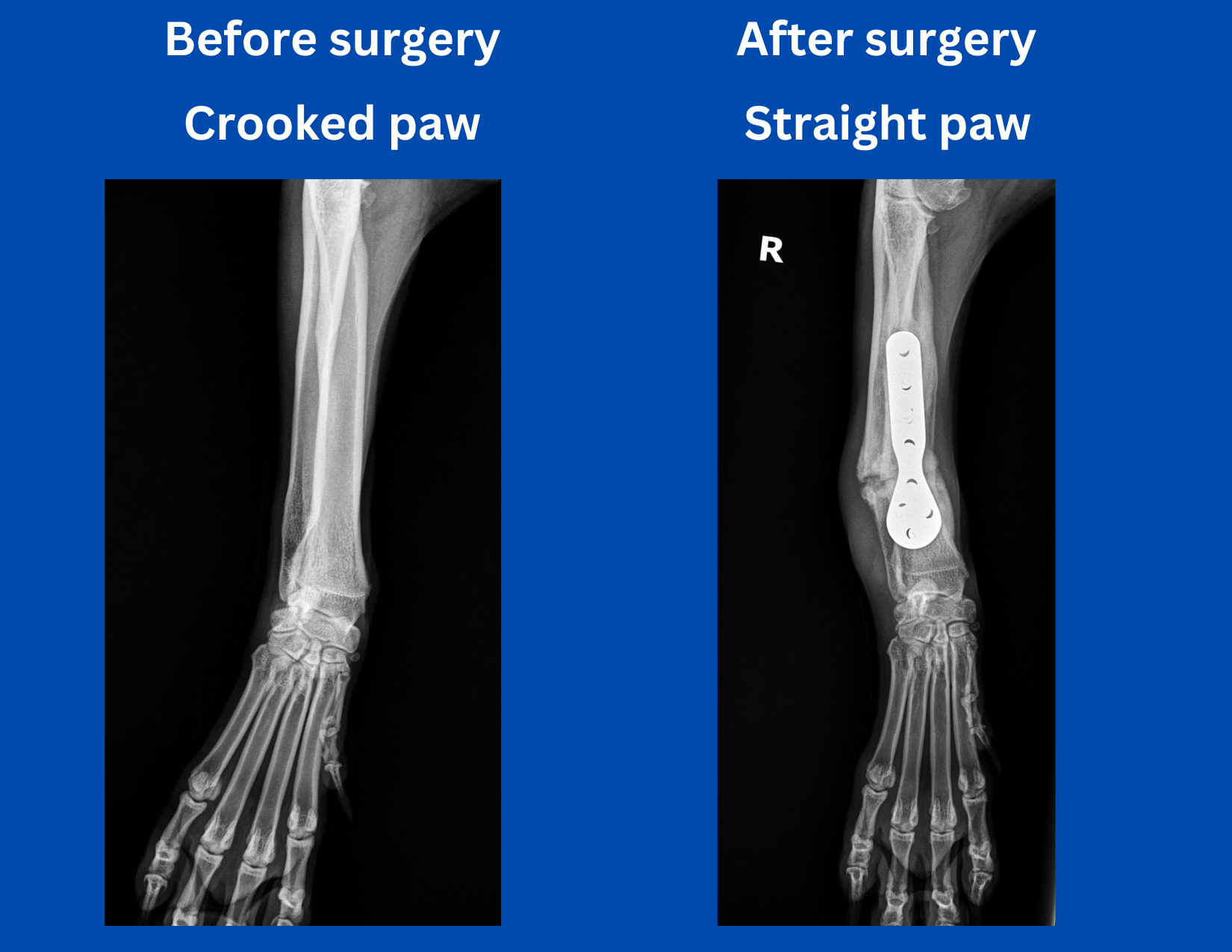
Lucy, a 9-month-old Golden Retriever, was had a crooked front leg (one way to call it is radius curvus).
Corrective surgery straightened her leg completely, as shown in the before and after X-rays below.
You can read her story here.
Bone Cancer
Osteosarcoma – bone cancer – typically causes progressive lameness in large and giant breed dogs.
It is aggressive and requires prompt diagnosis.
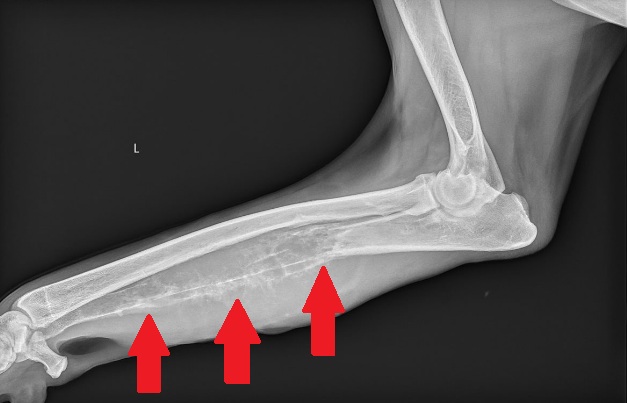
Below is a dramatic X-ray of a 5 year old Great Dane with osteosarcoma eating away his ulna, a bone in the forearm.
What happens if I wait too long?
This is the question that keeps us up at night on behalf of our patients.
Waiting rarely helps – and often hurts.
An ACL tear left untreated will lead to progressive arthritis.
A fracture left alone can develop complications that make surgery far more difficult.
A bone tumor caught late may leave fewer treatment options.
As Ivy’s owner told us after we finally resolved her chronic condition: “I just wish I’d brought her in sooner.”
It is one of the most common things we hear – and one of the easiest things to prevent.
So, when should you see a veterinary surgeon?
If your dog is limping and not improving within 24 to 48 hours, see your family or emergency vet.
If they recommend a surgeon, don’t delay the referral.
If things are unclear, or the diagnosis is delayed, ask for a second opinion – you owe it to your dog.
And if your dog shows any of the red flag signs listed above, call today.
The sooner the right diagnosis is made, the better the outcome – almost every single time.
If you would like to learn how we can help your limping dog (or cat), please contact us through www.DrPhilZeltzman.com
Never miss a blog by subscribing here: www.DrPhilZeltzman.com/blog
Phil Zeltzman, DVM, DACVS, CVJ, Fear Free Certified
Pete Baia, DVM, MS, DACVS
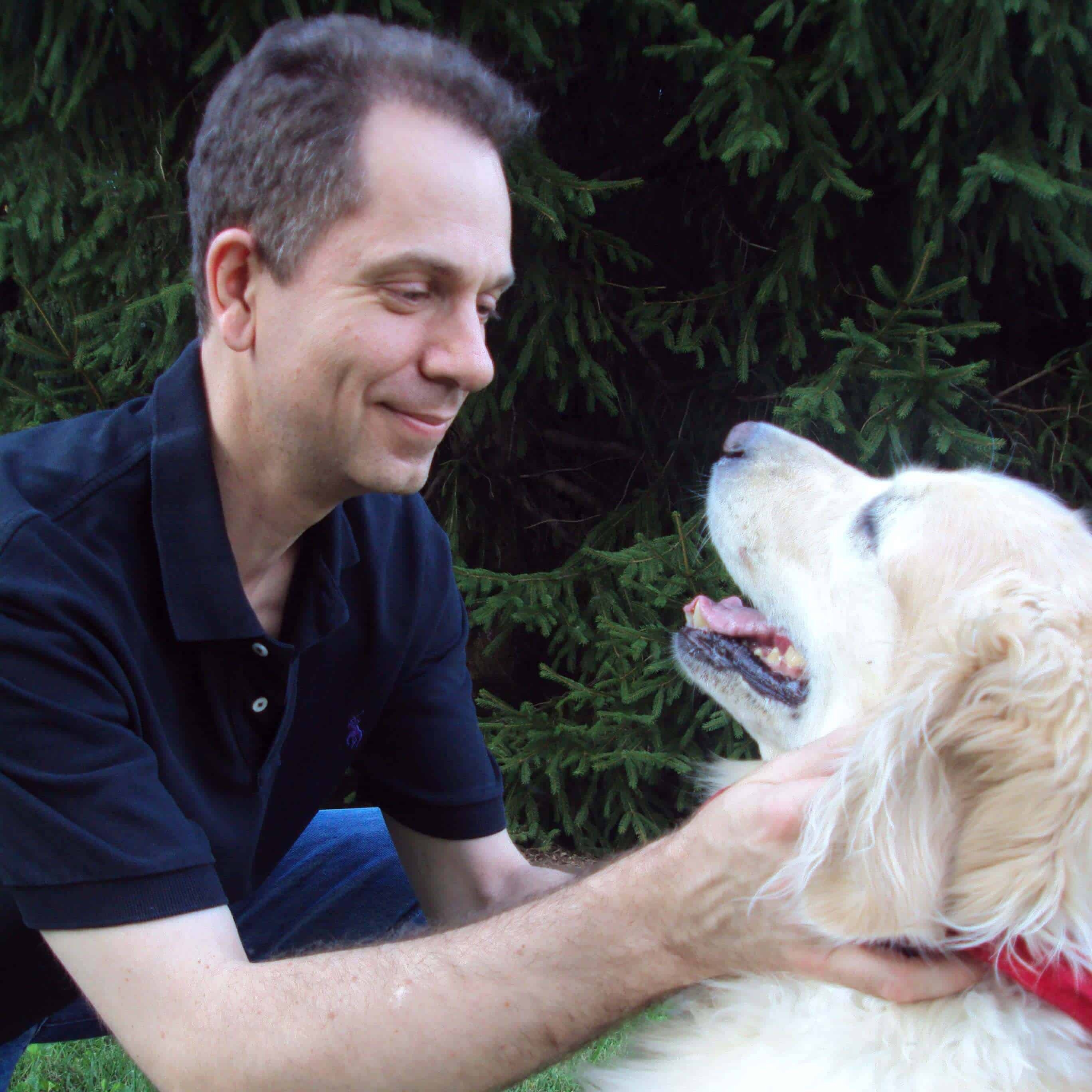
Dr. Phil Zeltzman is a traveling veterinary surgeon in Pennsylvania & New Jersey. An award-winning author, he loves to share his adventures in practice along with information about vet medicine and surgery that can really help your pets. Dr. Zeltzman specializes in orthopedic, neurologic, cancer, and soft tissue surgeries for dogs, cats, and small exotics. By working with local family vets, he offers the best surgical care, safest anesthesia, and utmost pain management to all his patients. Sign up to get an email when he updates his blog, and follow him on Facebook, too!