




Dr. Phil Zeltzman’s Blog
Achilles was all broken after he got hit by a car…
Achilles, a 4 year old, 10 pound Yorkie, was hit by a car. His pelvis was broken in multiple places. The main issues were a fracture of the ileum (the bone in the front of the pelvis – red arrows) and a Sacro-Iliac luxation (aka SI luxation – blue arrows).
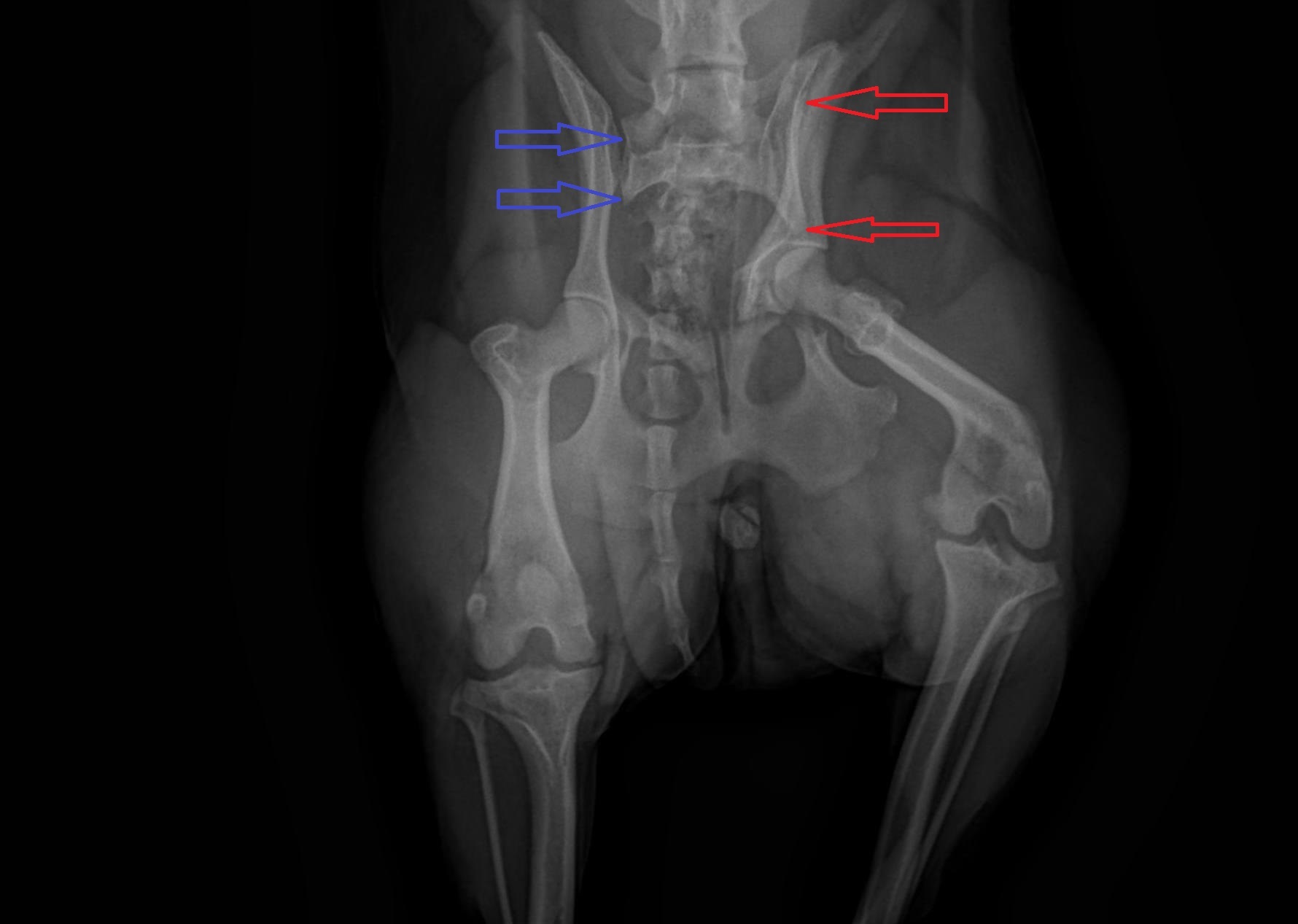
An SI luxation is a dislocation between the pelvis and the spine. Both injuries needed to be repaired surgically. There were several other fractures in the pelvis, which did not need surgery. In addition, there were multiple soft tissue injuries, meaning mostly damage to the muscles around the pelvis.
I was called to put Achilles back together at the Animal Clinic of Morris Plains in NJ.
The fracture was repaired with a metal plate and 6 screws. The dislocation was repaired with 1 pin and 1 screw (see postop X-ray).
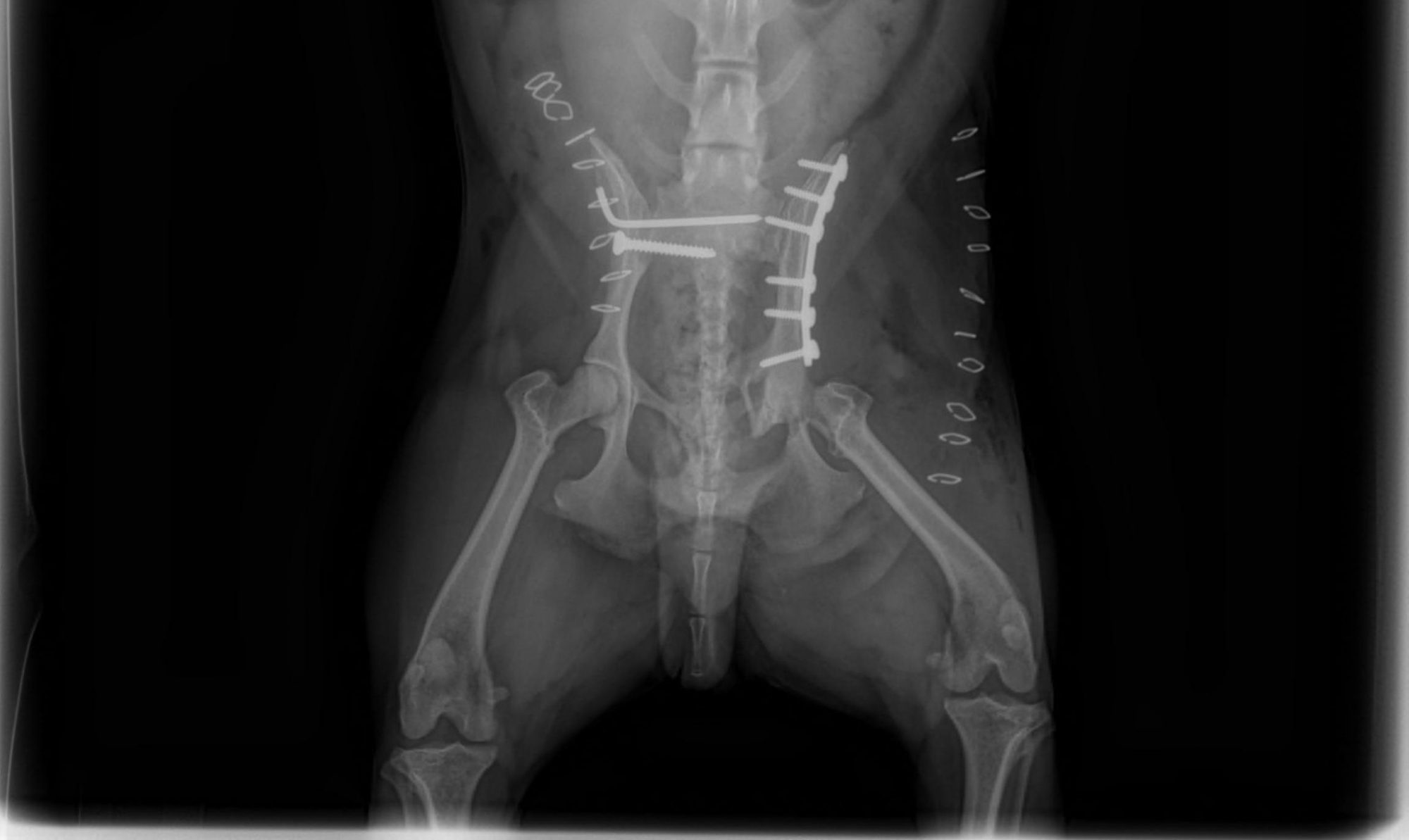
After surgery, Achilles will need to rest very strictly for 2 months. This will allow all of the fractures, repaired and unrepaired, to heal nicely.
This is sadly a common story. Dogs often jump out of a car, run out of a yard, chase cars, follow their instincts (often due to hormones) etc. In the end, the car always wins. Please keep your cats and dogs safe. A leash is the easiest way to avoid many problems.
Phil Zeltzman, DVM, DACVS, CVJ, Fear Free Certified
Dr. Phil Zeltzman is a traveling veterinary surgeon in Pennsylvania & New Jersey. An award-winning author, he loves to share his adventures in practice along with information about vet medicine and surgery that can really help your pets. Dr. Zeltzman specializes in orthopedic, neurologic, cancer, and soft tissue surgeries for dogs, cats, and small exotics. By working with local family vets, he offers the best surgical care, safest anesthesia, and utmost pain management to all his patients. Sign up to get an email when he updates his blog, and follow him on Facebook, too!
How did this cute kitten break her leg?
Artemis, a very cute 5 month old kitten, hurt her back leg. Her owners had no idea how she did it. To this day, it is still a mystery.

Her owners rushed her to the local emergency clinic. X-rays revealed that she broke the very bottom of her right thigh bone (femur). As you can see on the X-rays below, the break was not so obvious on the X-ray from the front, but very obvious on the view from the side.
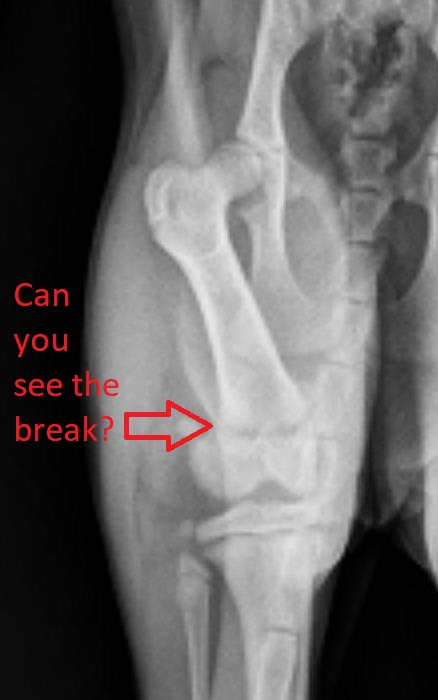

The fracture occurred through a weaker area in the bone called the growth plate, which allows the bone to grow in length. Bone cells multiply in that area, making it weaker and more prone to fractures.
The fracture was repaired with 2 metal pins. They are designed to stay in forever, as long as they don’t back out or cause a problem.
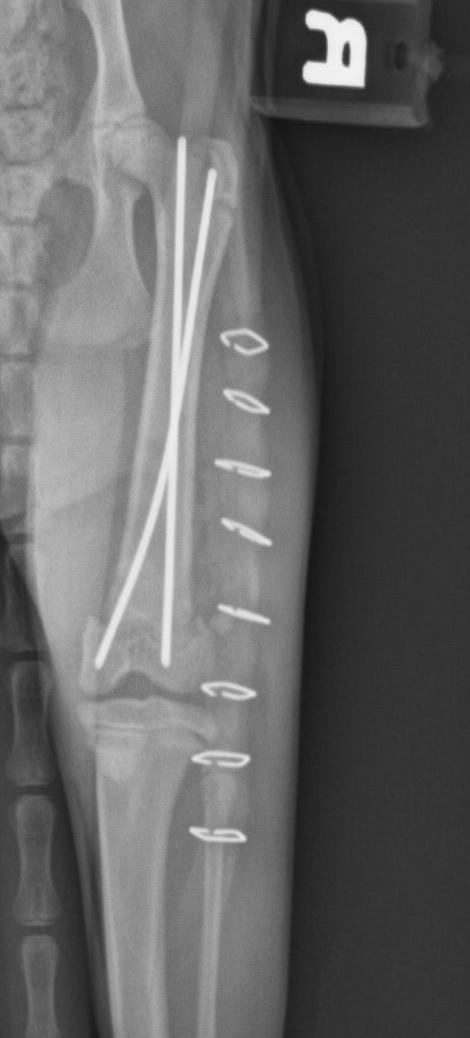
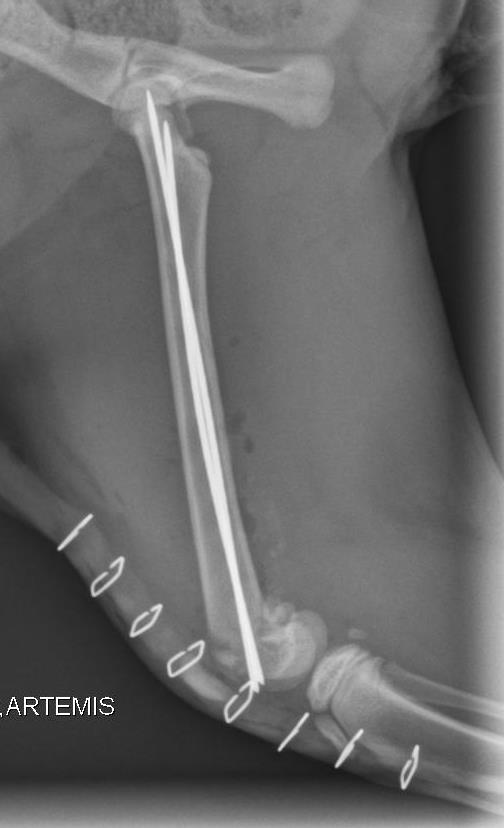
Artemis recovered nicely and has now fully healed. She is now back to her normal happy life of running, jumping and exploring.
Phil Zeltzman, DVM, DACVS, CVJ, Fear Free Certified
Dr. Phil Zeltzman is a traveling veterinary surgeon in Pennsylvania & New Jersey. An award-winning author, he loves to share his adventures in practice along with information about vet medicine and surgery that can really help your pets. Dr. Zeltzman specializes in orthopedic, neurologic, cancer, and soft tissue surgeries for dogs, cats, and small exotics. By working with local family vets, he offers the best surgical care, safest anesthesia, and utmost pain management to all his patients. Sign up to get an email when he updates his blog, and follow him on Facebook, too!
When someone tells you your pet has cancer…
What follows is to “compensate” for the totally depressing stories I shared a few weeks ago.
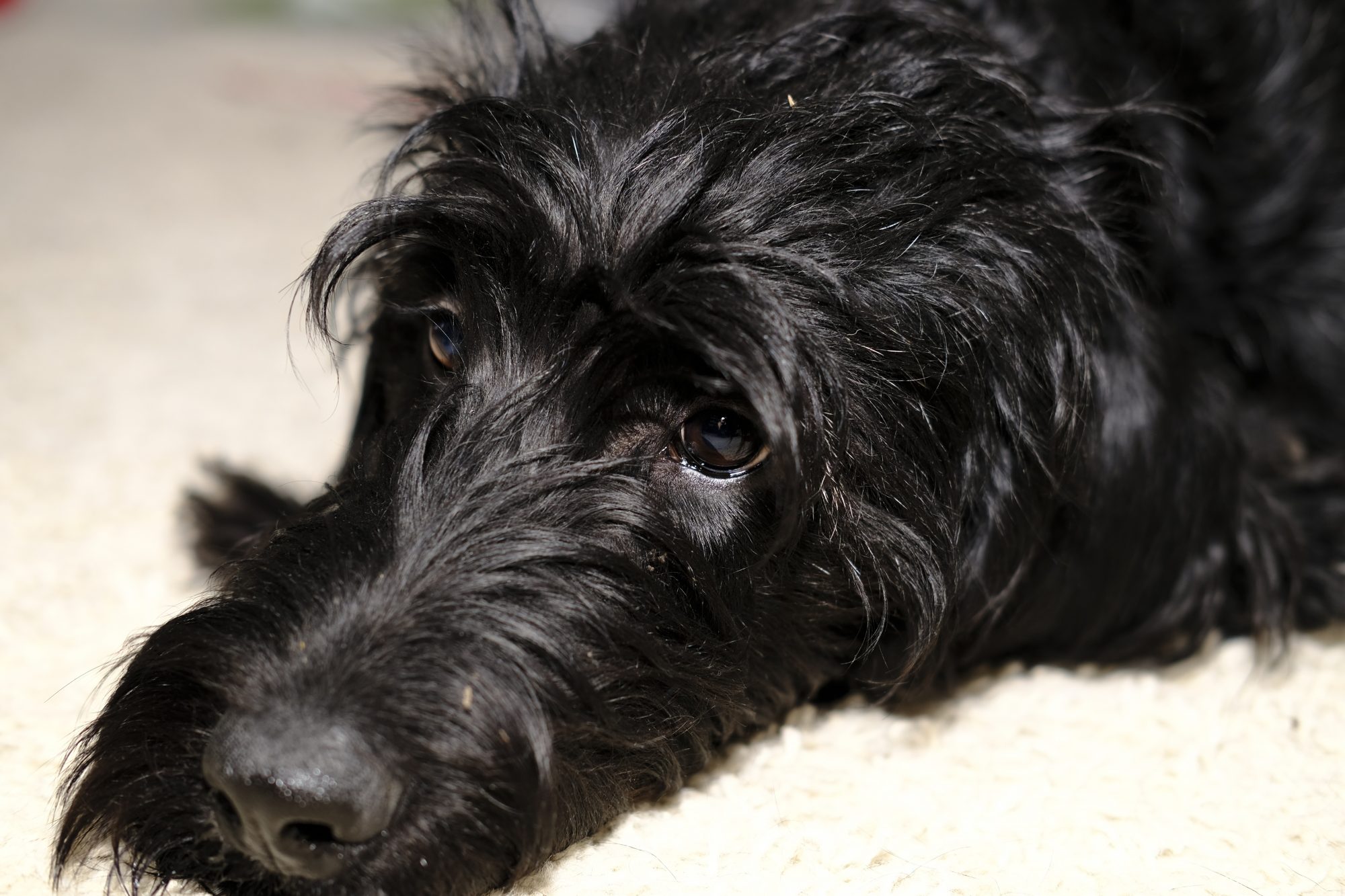
No one wants to hear their beloved pet has cancer. Especially when that potential diagnosis is conveyed by multiple professionals: the family vet, sometimes an ultrasound specialist, and yours truly, a board-certified surgeon.
But just because the word cancer comes up in the discussion does not mean that is what your pet has, although in the moment that may be all you hear. When faced with the scary idea of “the C word,” always remember one thing: we don’t know until we get the biopsy results.
The following are 5 stories that support the previous statement. There is always hope until we see the biopsy results.

Rori, a 12 year old Westie, was diagnosed with a lung mass. Her owner was told that statistically, it would most likely be cancer. Rori underwent open chest surgery (thoracotomy) to have her lung mass removed and biopsied.
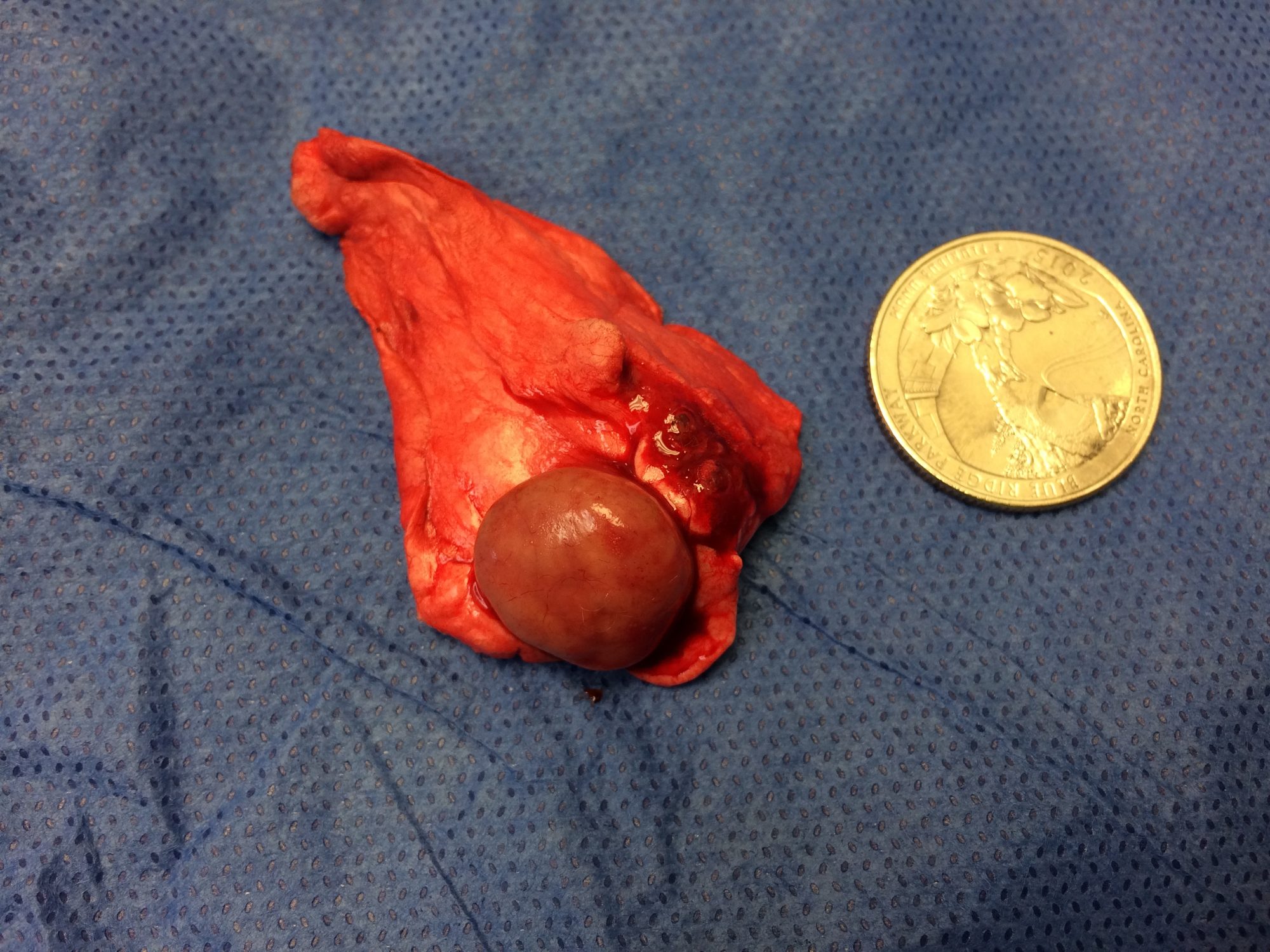
After a week of agonizing wait, the biopsy revealed… that the tumor was benign (bronchioalveolar adenoma).
Three other dogs had a similar history:
Purdey, an 8 year old Irish Setter
Max, a 10 year old schnauzer
Schen, a 5 year old golden retriever.
All 3 had a mass in an anal gland. Statistically, such a mass is very likely to be cancerous.
The mass was removed and biopsied.
After a week of agonizing wait, the biopsy revealed… a benign condition called chronic anal sacculitis, i.e. long-standing irritation of the anal gland.
And then there was Scout, the 9 year old female Lab. After several bouts of “bladder infection” and several rounds of antibiotics, she had an ultrasound of the bladder. A bladder mass was found. Statistically, such a mass is very likely to be cancerous (transitional cell carcinoma).
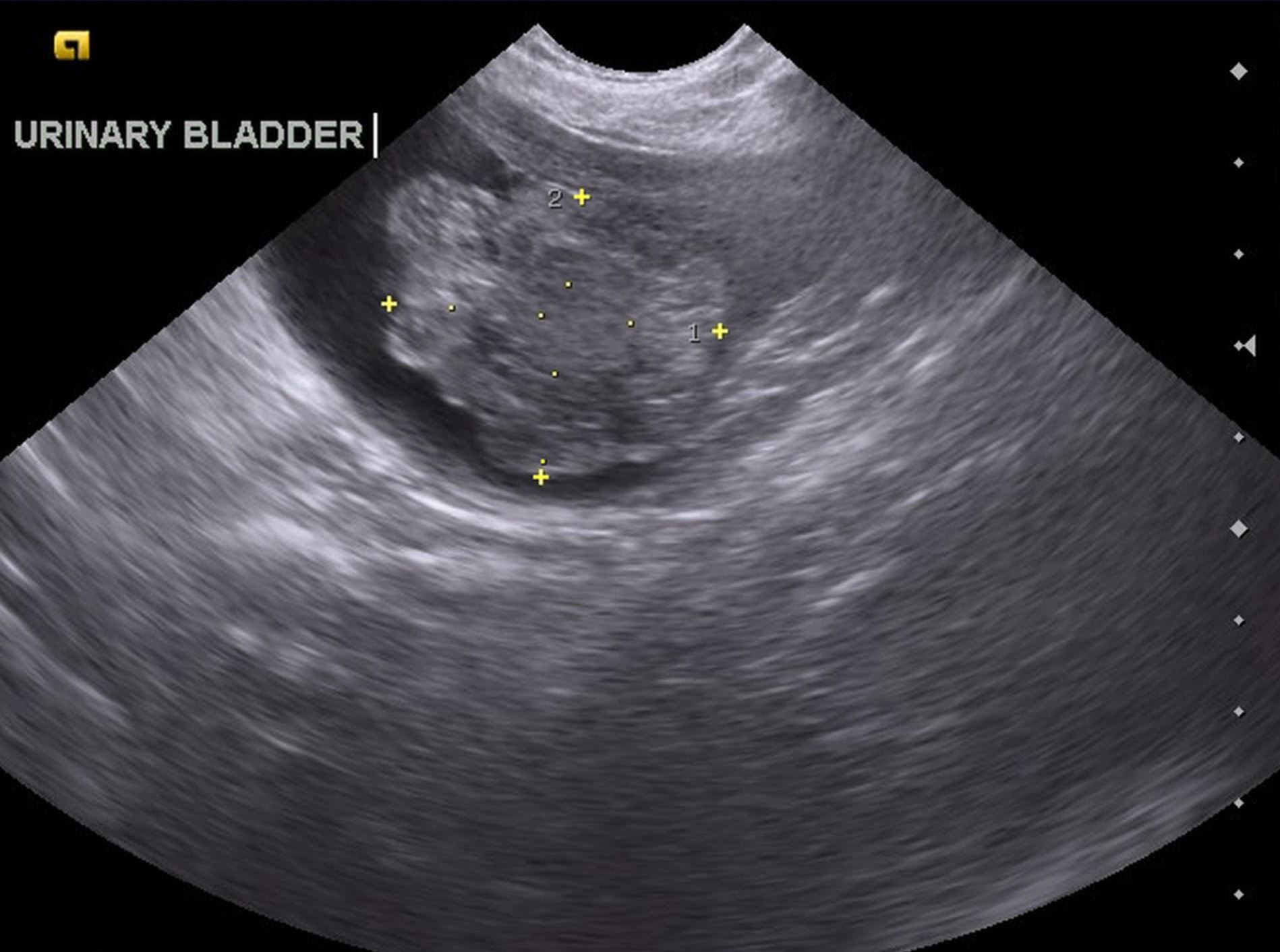
Scout went to surgery. I removed about one third of her bladder. The bladder mass was removed and biopsied.
After a week of agonizing wait, the biopsy revealed that the mass was… benign! It was a benign polyp.
Moral of the stories
I decided to share these 5 happy stories with you in hopes that you will always remember, should you ever face this situation: we don’t know if a mass is cancerous until the biopsy report says so.
EVERY YEAR, MULTIPLE PATIENTS NEVER GET THE SURGERY THEY NEED, OR THEY ARE EUTHANIZED, BECAUSE VETERINARIANS OR OWNERS ASSUME THAT A MASS IS CANCEROUS.
I am very thankful to these 5 clients that they did not give up on their pets.
And I am very thankful to my referring vets that they did not give up on their patients.
“Everybody” just knew they had cancer. But their owners just loved their pet too much and couldn’t put them to sleep without at least the benefit of surgery.
Of course, I am perfectly aware that the diagnosis could just as easily have been cancer. In fact, it was supposed to be, based on experience and statistics. And we talked about the odds, very openly, when we talked before surgery.
All 5 patients were statistically “supposed” to have cancer. But their loving owners, willing to provide the best possible care for their pet, were not going to give up without a fight.
The goals of tumor removal are:
. to obtain a diagnosis
. improve quality of life (e. g. being able to urinate or defecate or breathe)
. increase life span
. and decrease future risks (e.g. decreasing the risk of spreading of cancer).
Don’t lose hope at the mere mention of the word cancer.
Stay positive and wait for the biopsy report.
Phil Zeltzman, DVM, DACVS, CVJ, Fear Free Certified
Dr. Phil Zeltzman is a traveling veterinary surgeon in Pennsylvania & New Jersey. An award-winning author, he loves to share his adventures in practice along with information about vet medicine and surgery that can really help your pets. Dr. Zeltzman specializes in orthopedic, neurologic, cancer, and soft tissue surgeries for dogs, cats, and small exotics. By working with local family vets, he offers the best surgical care, safest anesthesia, and utmost pain management to all his patients. Sign up to get an email when he updates his blog, and follow him on Facebook, too!
What should you do if your pet has cancer?
You’ve been told your pet has cancer… the last thing any pet owner wants to hear.
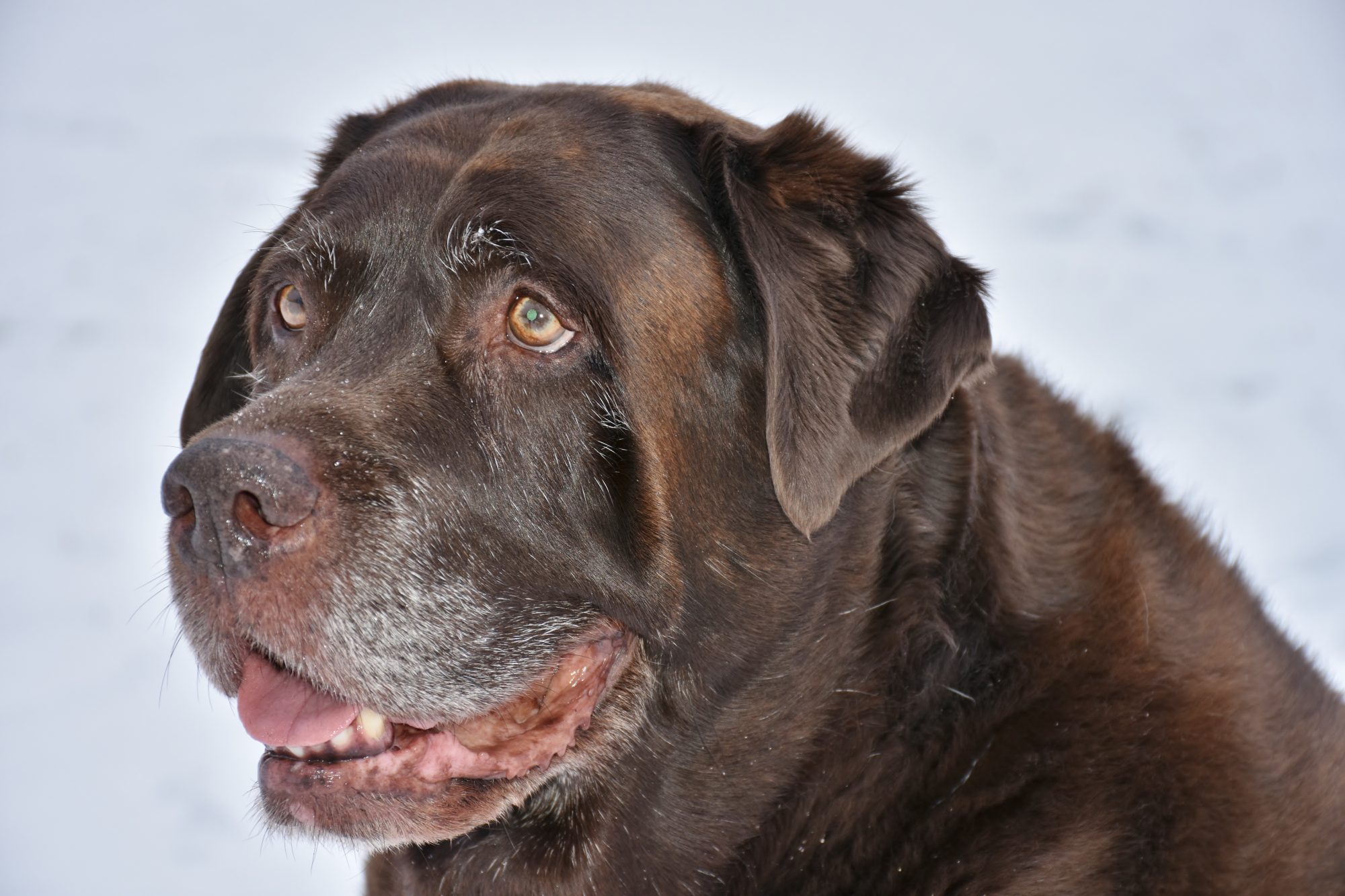
You may feel lost as to what comes next. Try to find out as much as you can from your vet.
Be sure to ask what your pet’s exact diagnosis is. This is an emotional time, so make sure you write down the exact name.
Discuss all of your treatment options. Find out if your pet needs to be seen by a specialist. Ask your vet the best type (Surgeon? Chemo pro? Radiation pro? Nutritionist?) and where to find one.
Don’t be afraid to ask your family vet, your surgeon or your oncologist (cancer specialist) how many other patients they have treated with a similar diagnosis. Arm yourself with all the facts and it will help you decide what you want to do next.
Here is a short list of questions you should ask and have clear answers to. Save it as a handy checklist if you ever need it…
1. What is my pet’s exact diagnosis?
2. How do we know for sure it is cancer?
3. Can we confirm it with specific testing such as a biopsy?
4. What is my pet’s prognosis (aka outcome)?
5. What is the ideal treatment?
6. What are possible complications of the treatment?
7. Who is the best specialist to treat this type of cancer?
8. How many patients like my pet have you seen in your career?
9. How many similar patients have you treated successfully?
10. What’s the goal of treatment? Curative or palliative?
We have many options to help pets with cancer in this day and age. Don’t give up!
Dr. Phil Zeltzman is a traveling veterinary surgeon in Pennsylvania & New Jersey. An award-winning author, he loves to share his adventures in practice along with information about vet medicine and surgery that can really help your pets. Dr. Zeltzman specializes in orthopedic, neurologic, cancer, and soft tissue surgeries for dogs, cats, and small exotics. By working with local family vets, he offers the best surgical care, safest anesthesia, and utmost pain management to all his patients. Sign up to get an email when he updates his blog, and follow him on Facebook, too!
Bunny update after 2 months of healing
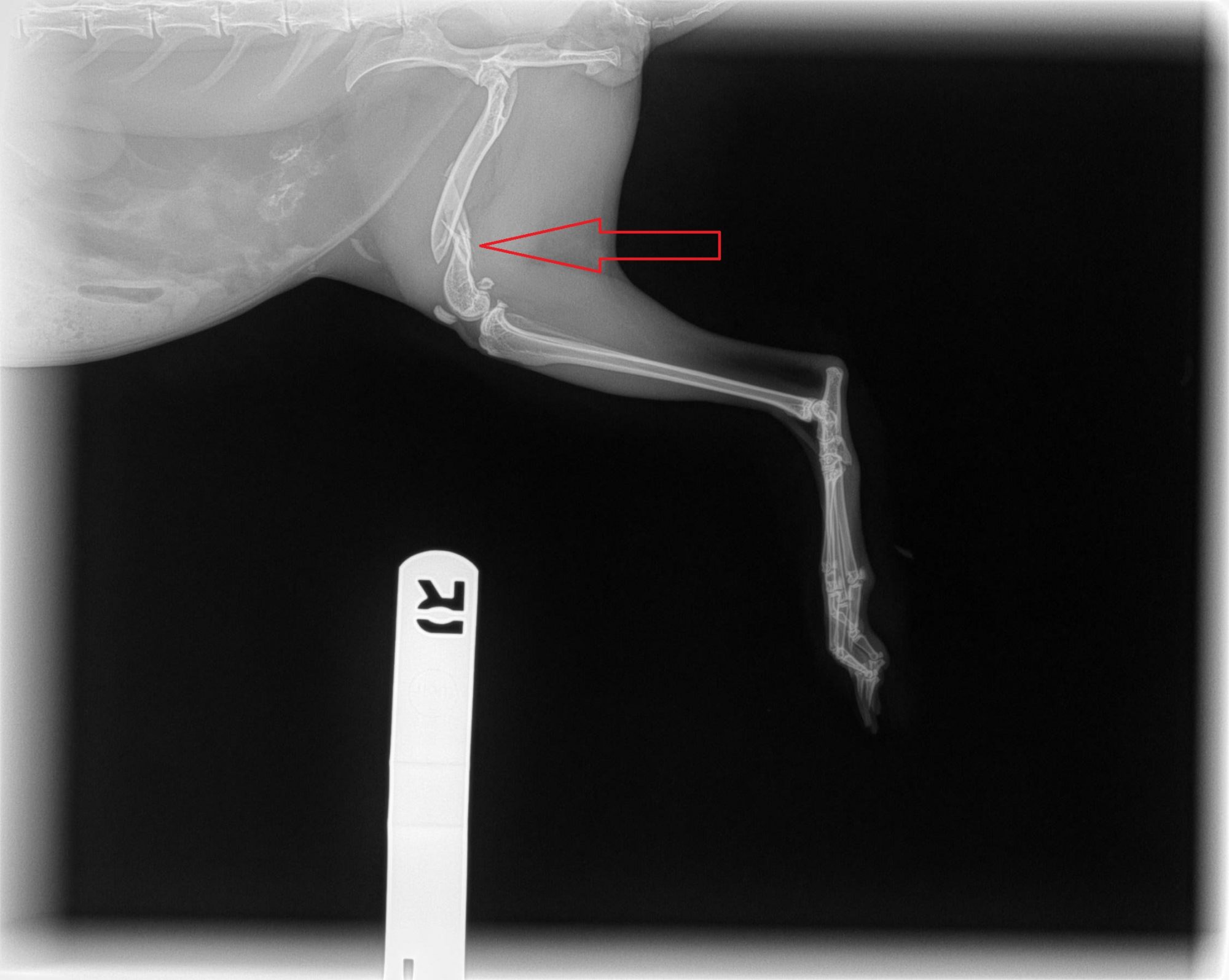
Remember Mochi, the 1 year old, 3 pound dwarf bunny who had a shattered femur (thigh bone)?
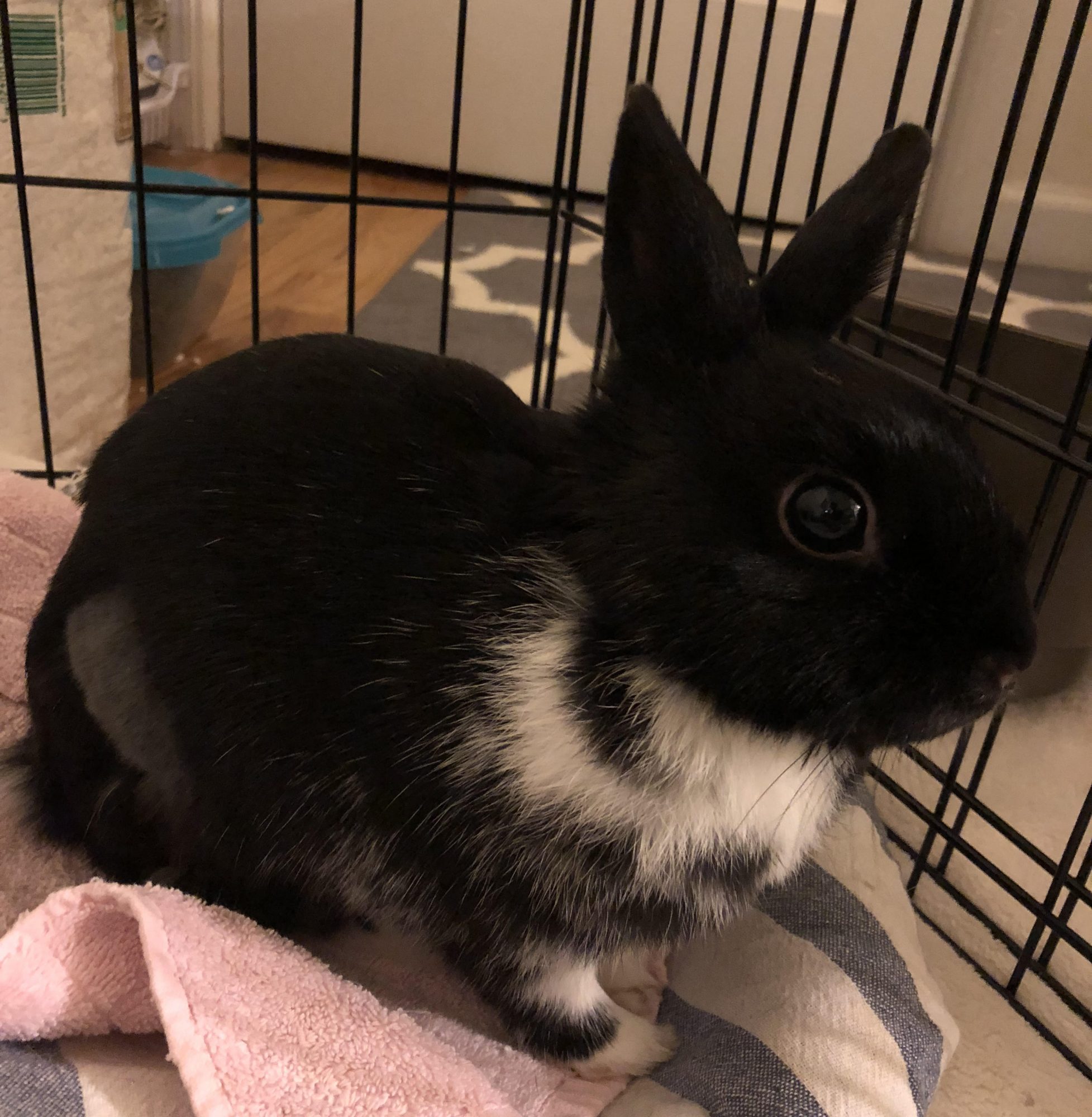
It was a big challenge because the bone was smaller than a pencil…
But 2 months later, follow up X-rays made me happy. Look at the beauty of Mother Nature in action.
Pre-Op Lateral View
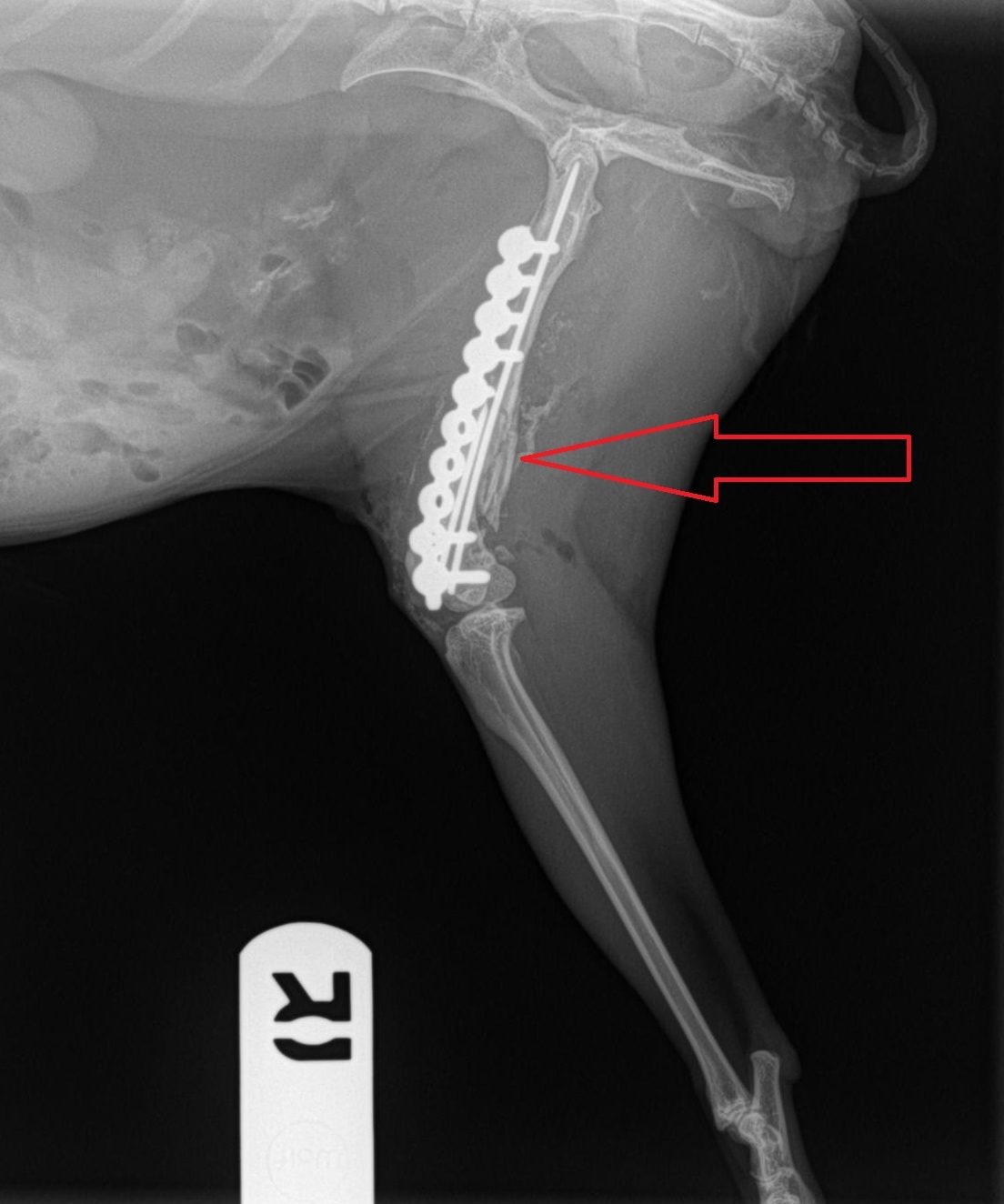
Post-Op Lateral View
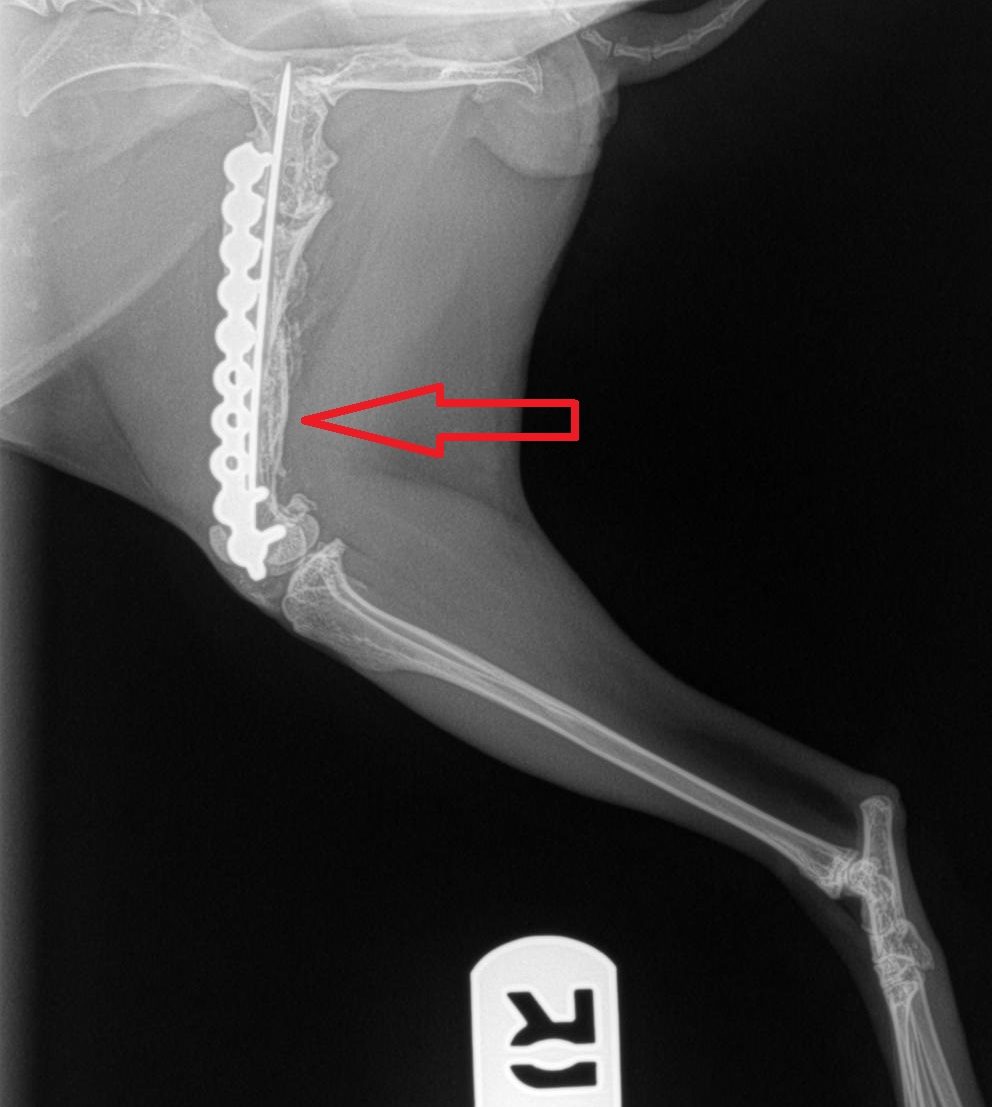
2 Month Post-Op Lateral View
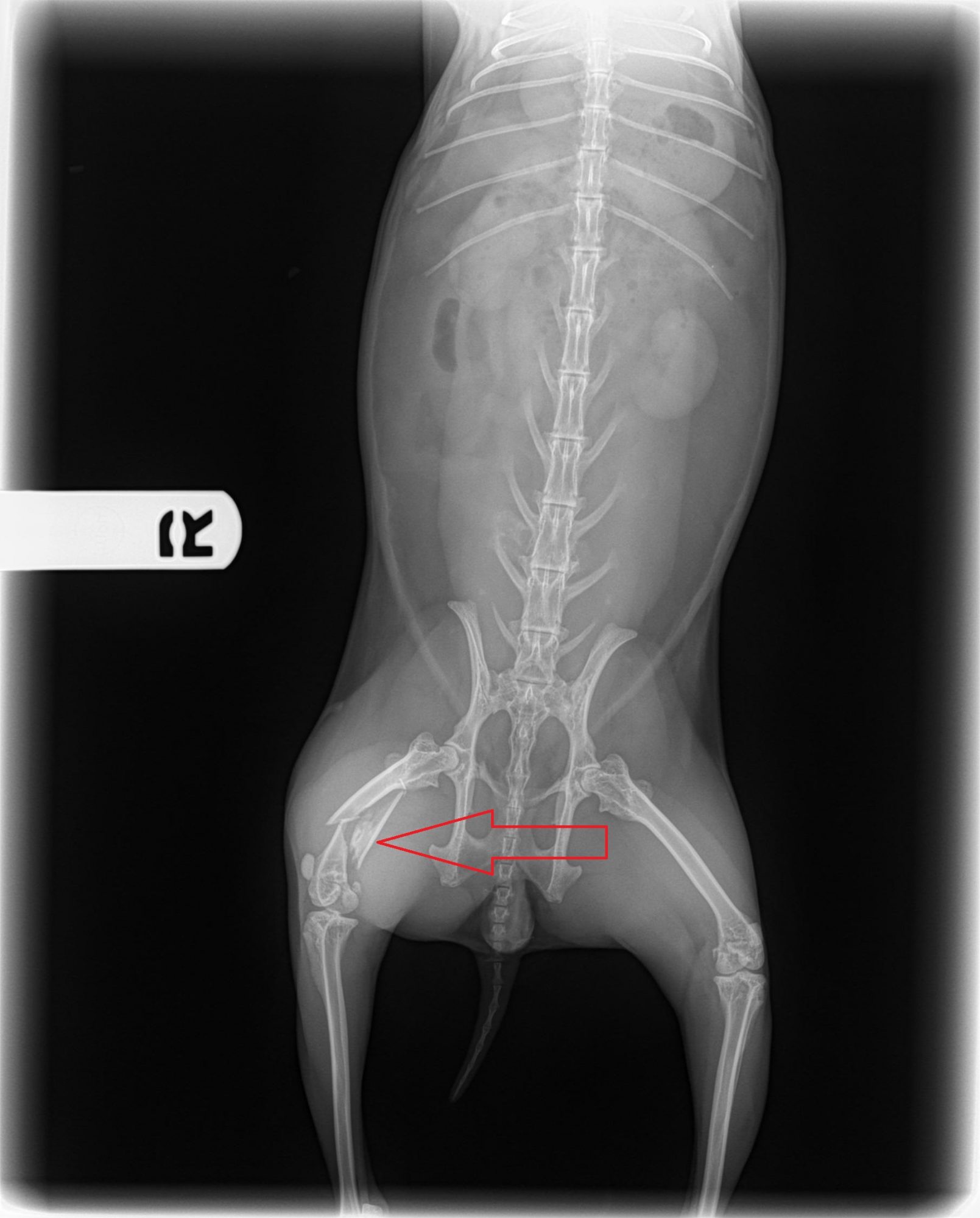
Pre-Op VD View
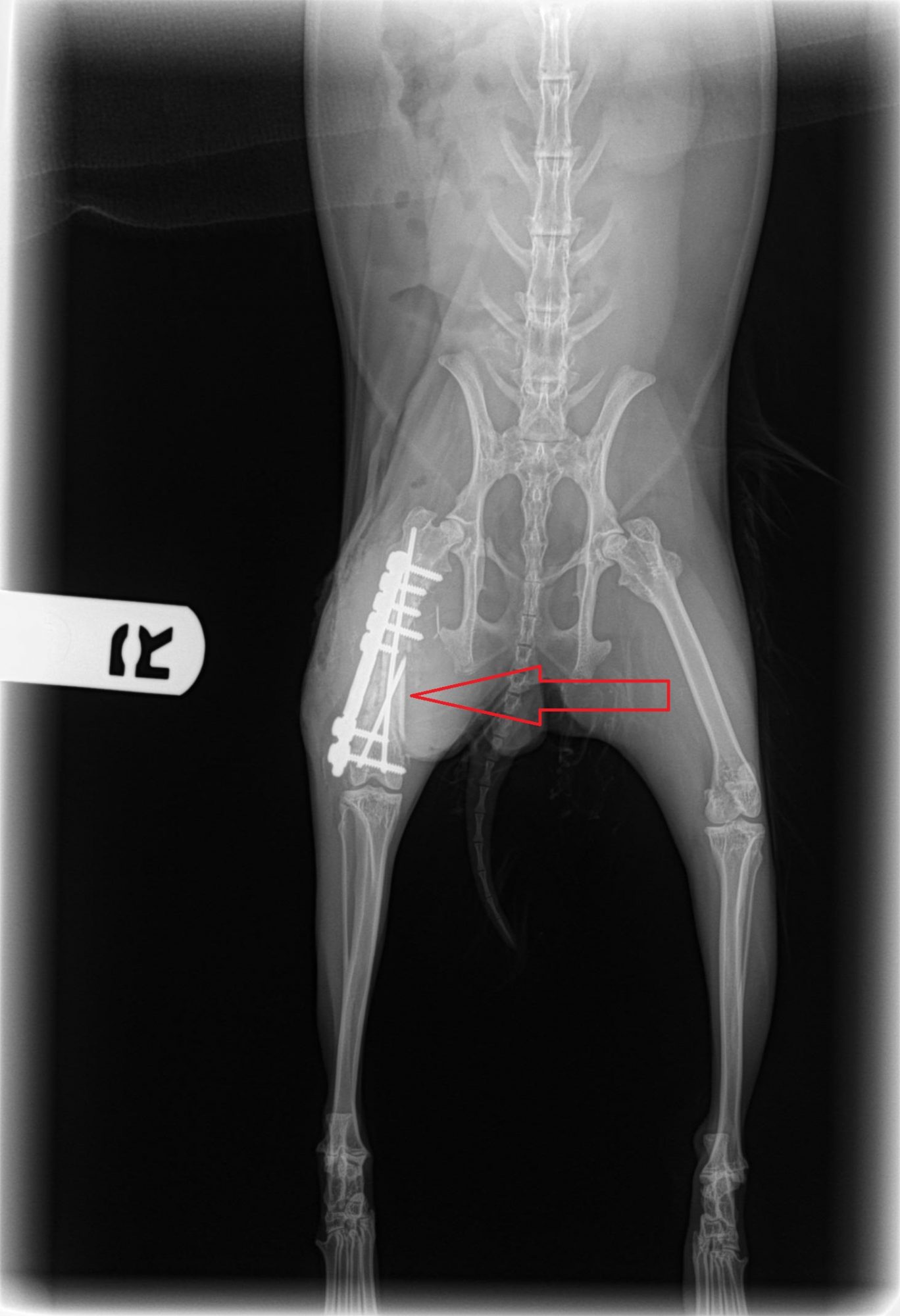
Post-Op VD View
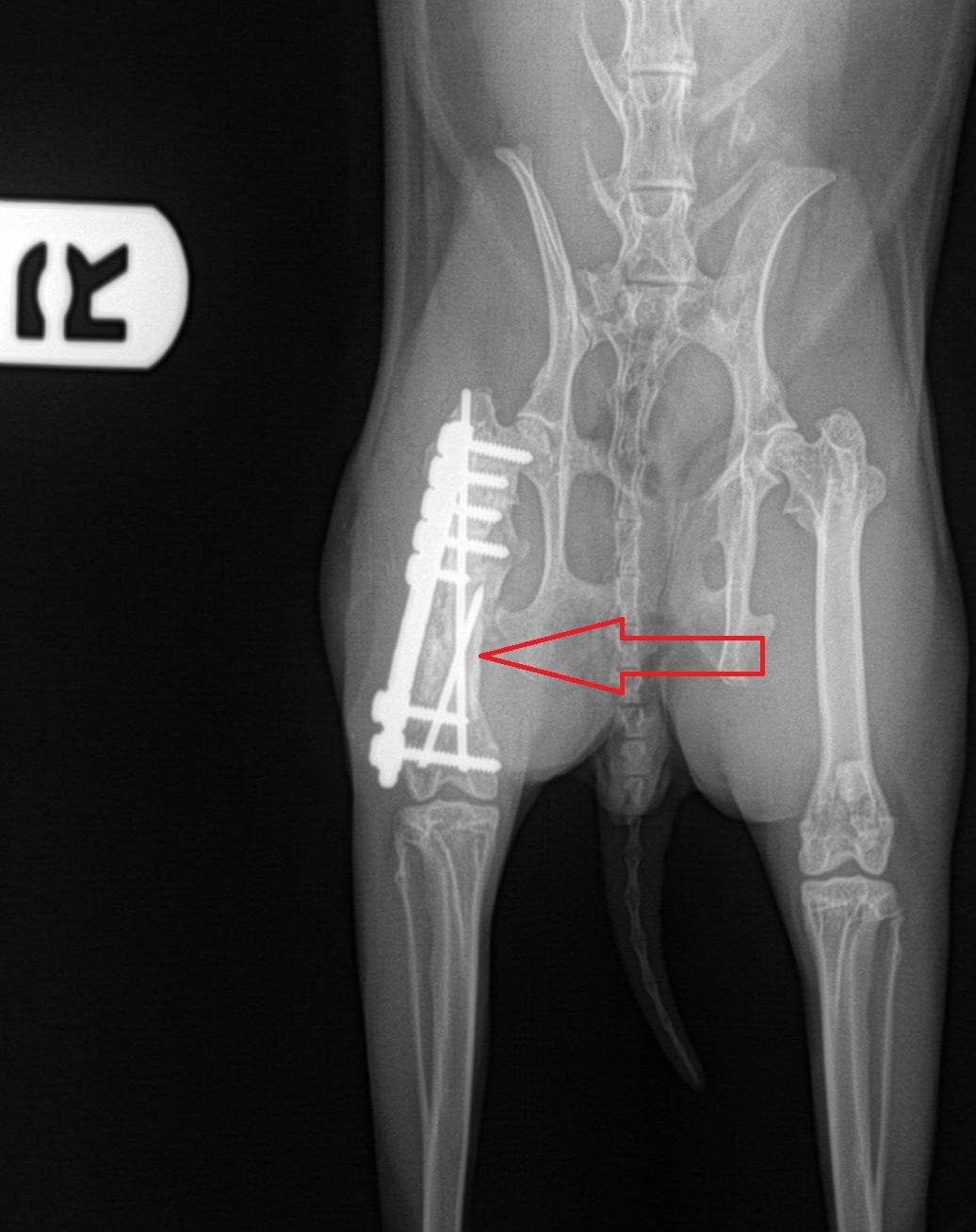
2 Month Post-Op VD View
Dr. Phil Zeltzman is a traveling veterinary surgeon in Pennsylvania & New Jersey. An award-winning author, he loves to share his adventures in practice along with information about vet medicine and surgery that can really help your pets. Dr. Zeltzman specializes in orthopedic, neurologic, cancer, and soft tissue surgeries for dogs, cats, and small exotics. By working with local family vets, he offers the best surgical care, safest anesthesia, and utmost pain management to all his patients. Sign up to get an email when he updates his blog, and follow him on Facebook, too!