



Dr. Phil Zeltzman’s Blog
Chow needs surgery to fix mysterious swelling
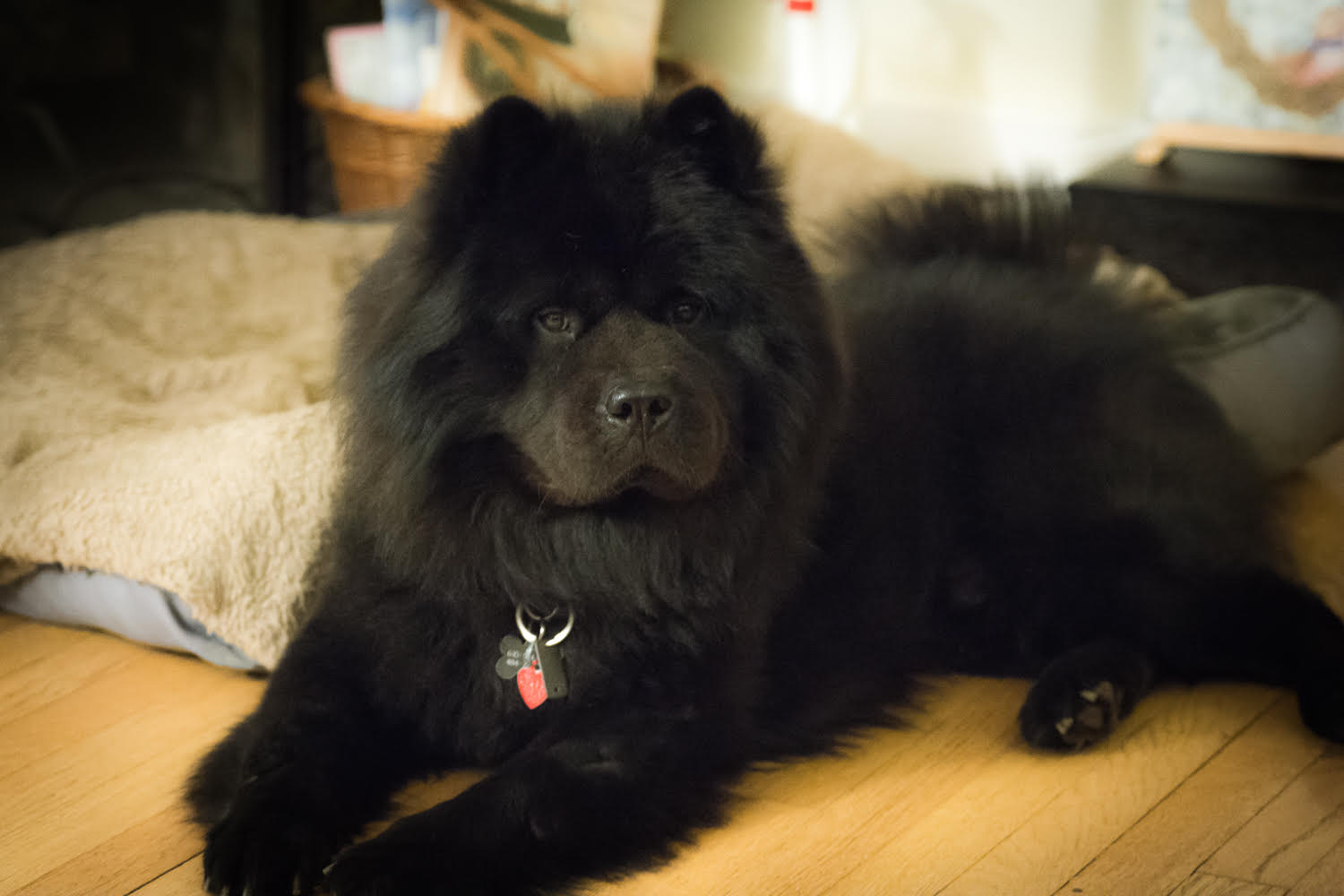
Photo courtesy of MHNG Photography.
Maxwell, a three-year-old male Chow, was relinquished from a home where he spent most of his time in a cage in a dark basement. After his rescue, he spent some time with a foster family, then was recently adopted by his forever family.
His new owner noticed a swelling on Maxwell’s cheek and took him to his family veterinarian. The vet was able to feel a firm swelling on the right side of the head, behind the angle of the jaw. In that area, any swelling should be suspicious for an enlarged lymph node. This can be a sign of a type of cancer called lymphoma.
The vet performed a needle aspirate, which thankfully confirmed a sialocele, a pocket of thick saliva. We typically never find out the reason for this condition. It’s assumed to be caused by trauma or blockage of the tiny canal that carries saliva from the salivary gland to the mouth.
The sialocele was carefully removed at HanoverView Animal Hospital. It’s a delicate surgery, because a sialocele is a very fragile structure that can tear easily. In addition, there are several important blood vessels and nerves in that area. Maxwell did very well under anesthesia and during recovery.
A week later, the biopsy confirmed a benign sialocele. Removing it will have no consequences for Maxwell because there are many salivary glands.
It is very important to pet your dog or cat thoroughly and regularly so you can notice any new lump or bump. Maxwell is a furry dog with a thick coat, and he is lucky his owner felt the swelling.
Any swelling or lump should be investigated by your family vet as soon as you notice it. Three important questions should be answered: should the mass be tested, removed and biopsied?
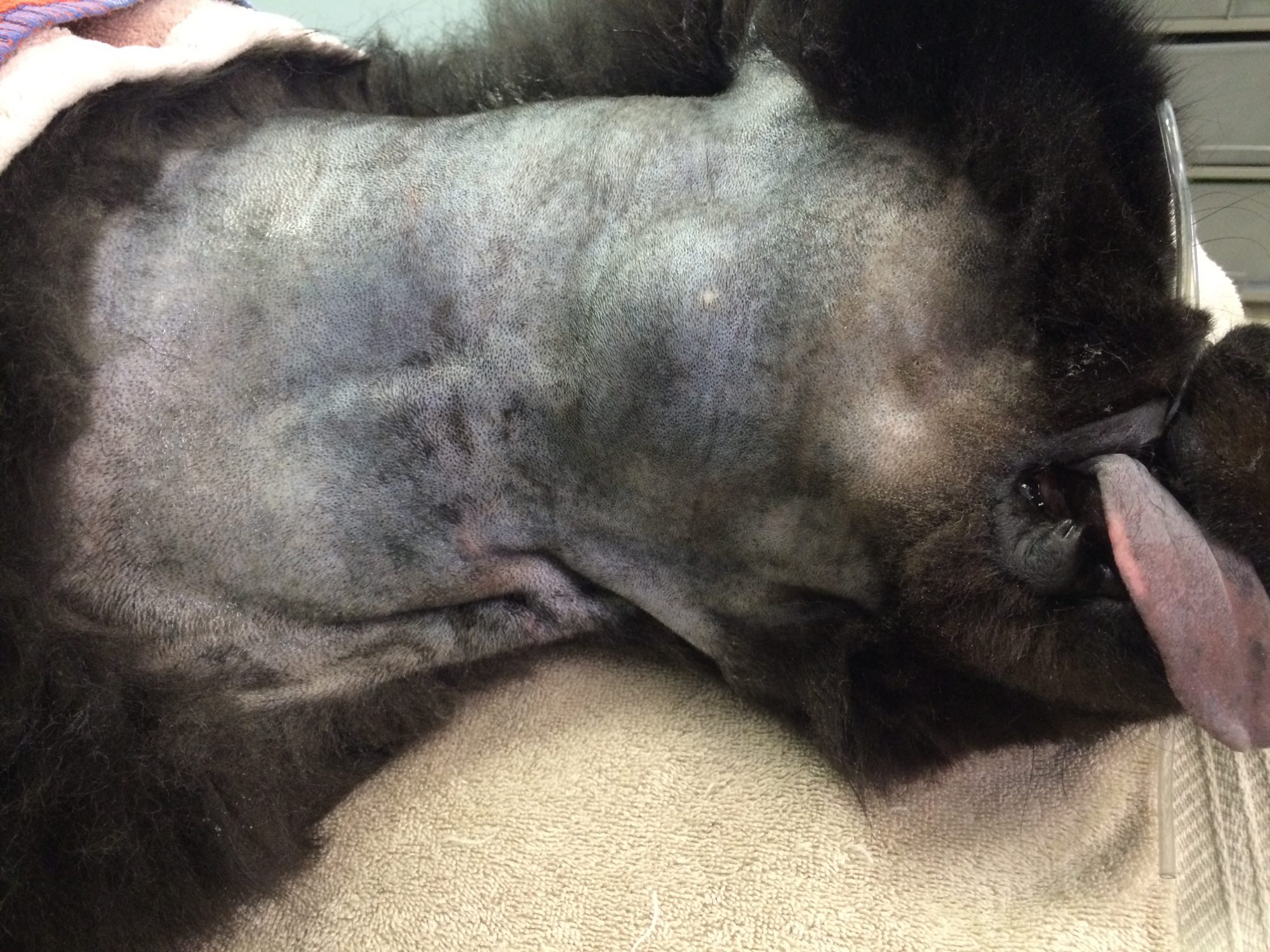 Can you spot the swelling? |
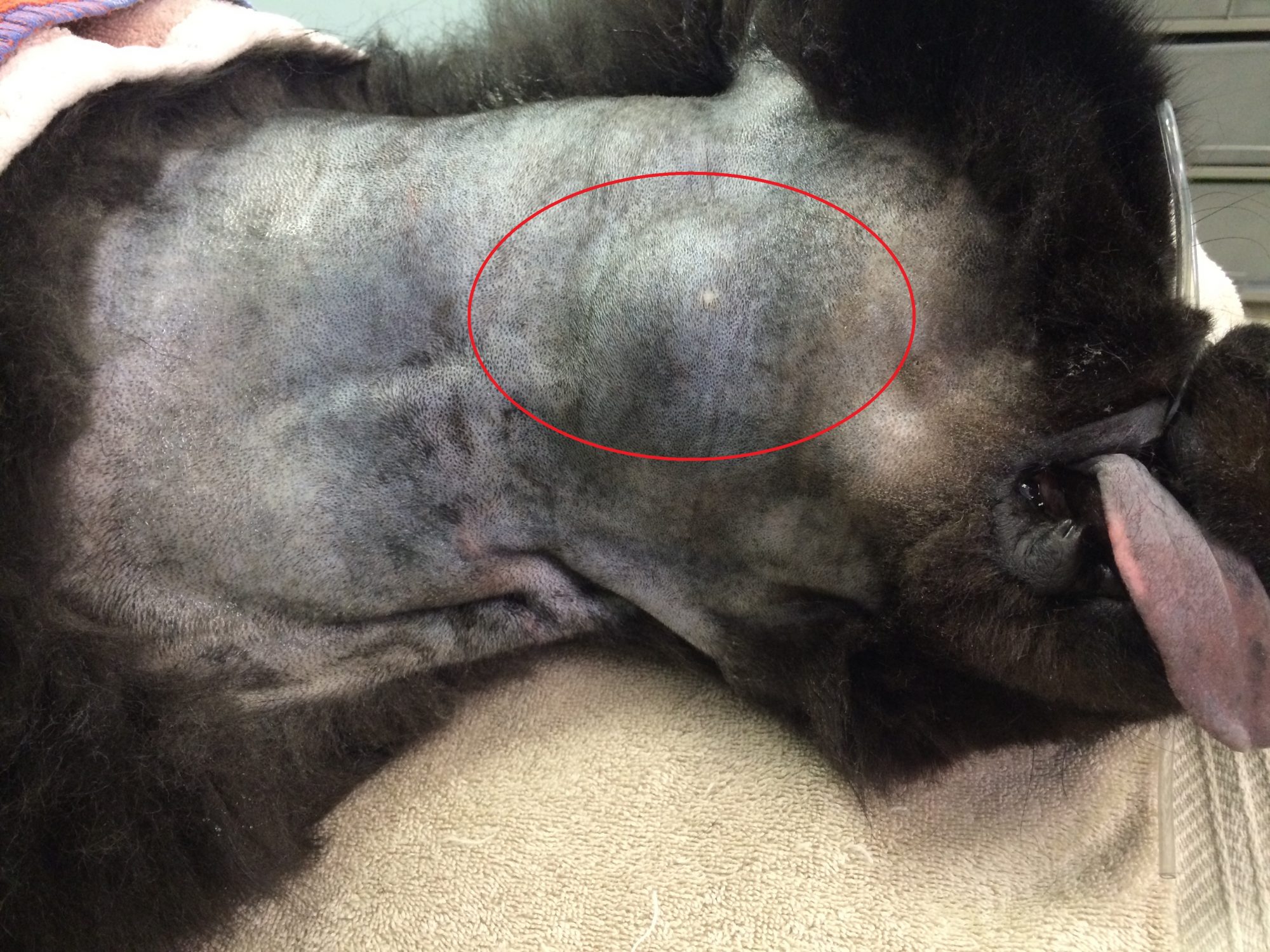 There area within the red circle is the problem area. |
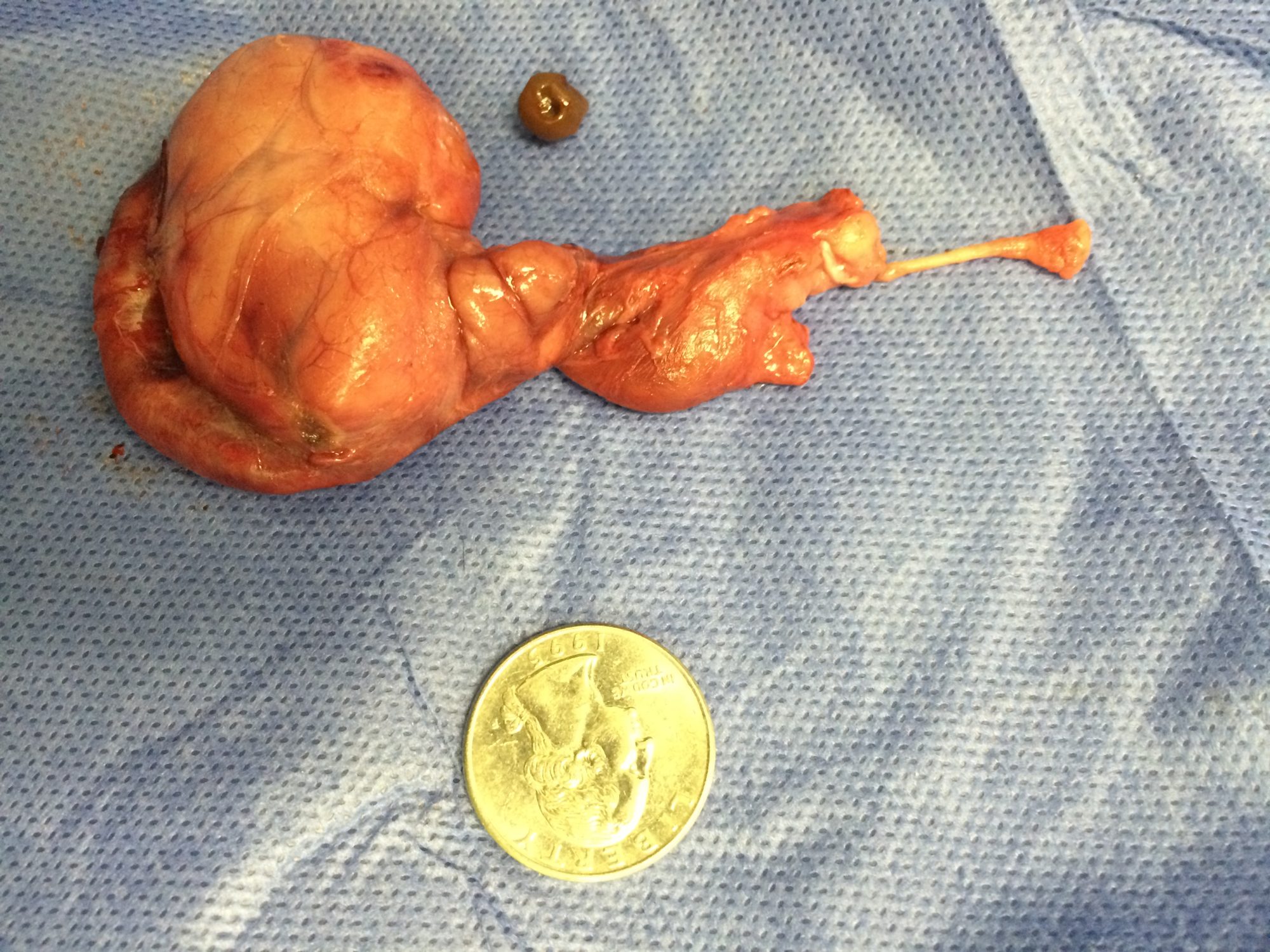 The mass was three times larger initially, but reduced in size after the saliva and several smaller brown masses (also pictured) were removed. |
Dr. Phil Zeltzman is a traveling veterinary surgeon in Pennsylvania & New Jersey. An award-winning author, he loves to share his adventures in practice along with information about vet medicine and surgery that can really help your pets. Dr. Zeltzman specializes in orthopedic, neurologic, cancer, and soft tissue surgeries for dogs, cats, and small exotics. By working with local family vets, he offers the best surgical care, safest anesthesia, and utmost pain management to all his patients. Sign up to get an email when he updates his blog, and follow him on Facebook, too!
Bulldog loses a toe
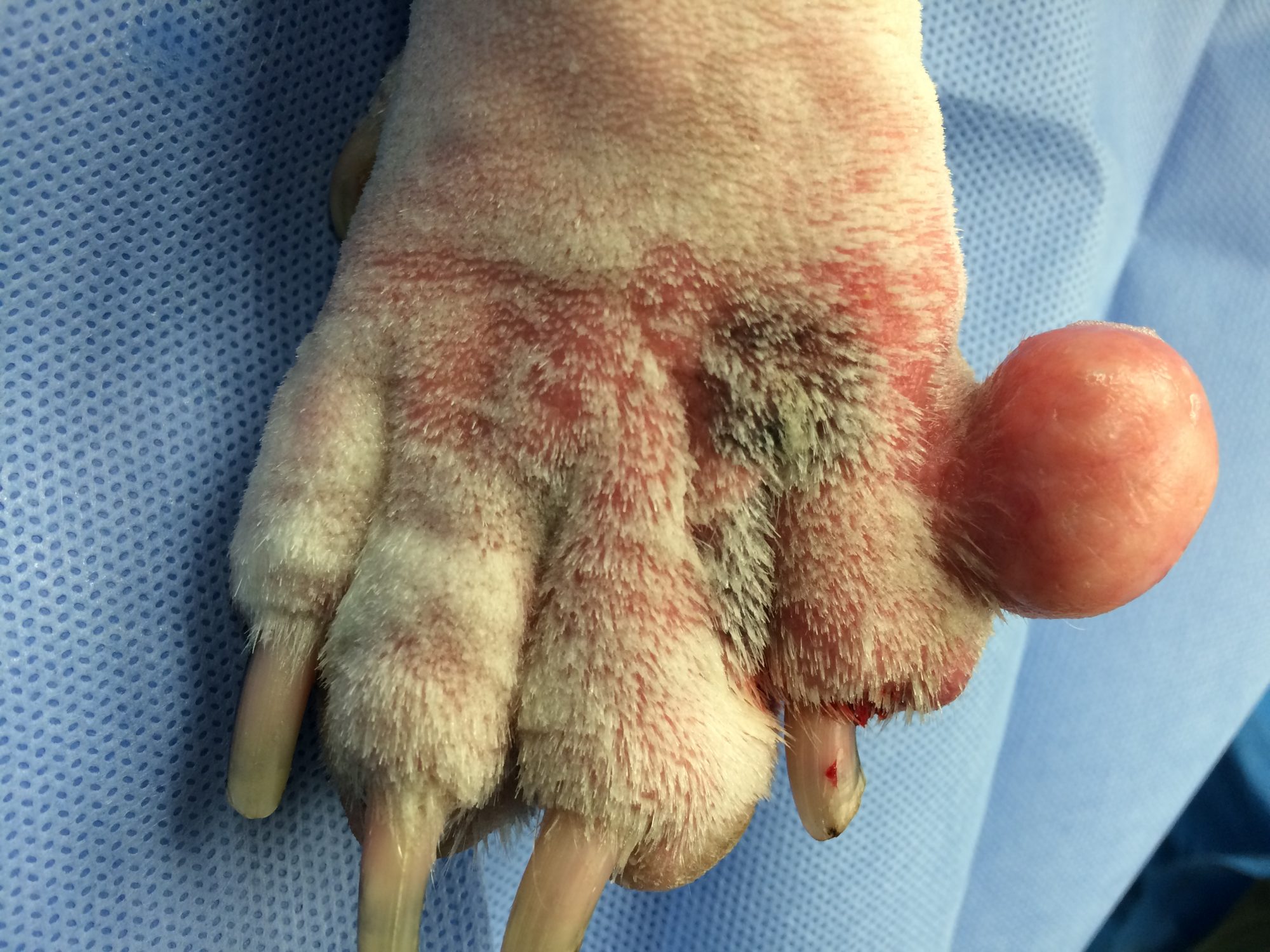
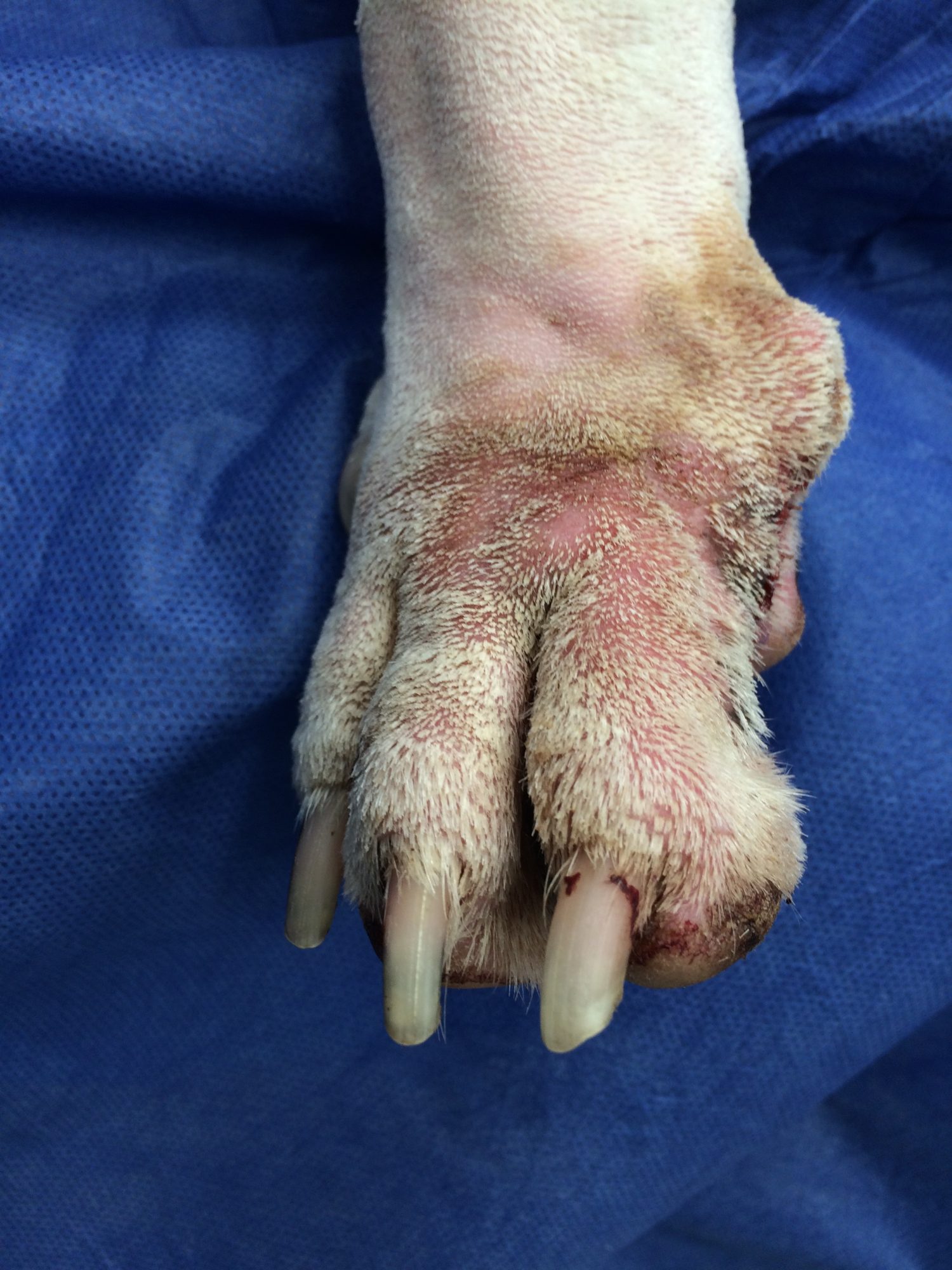
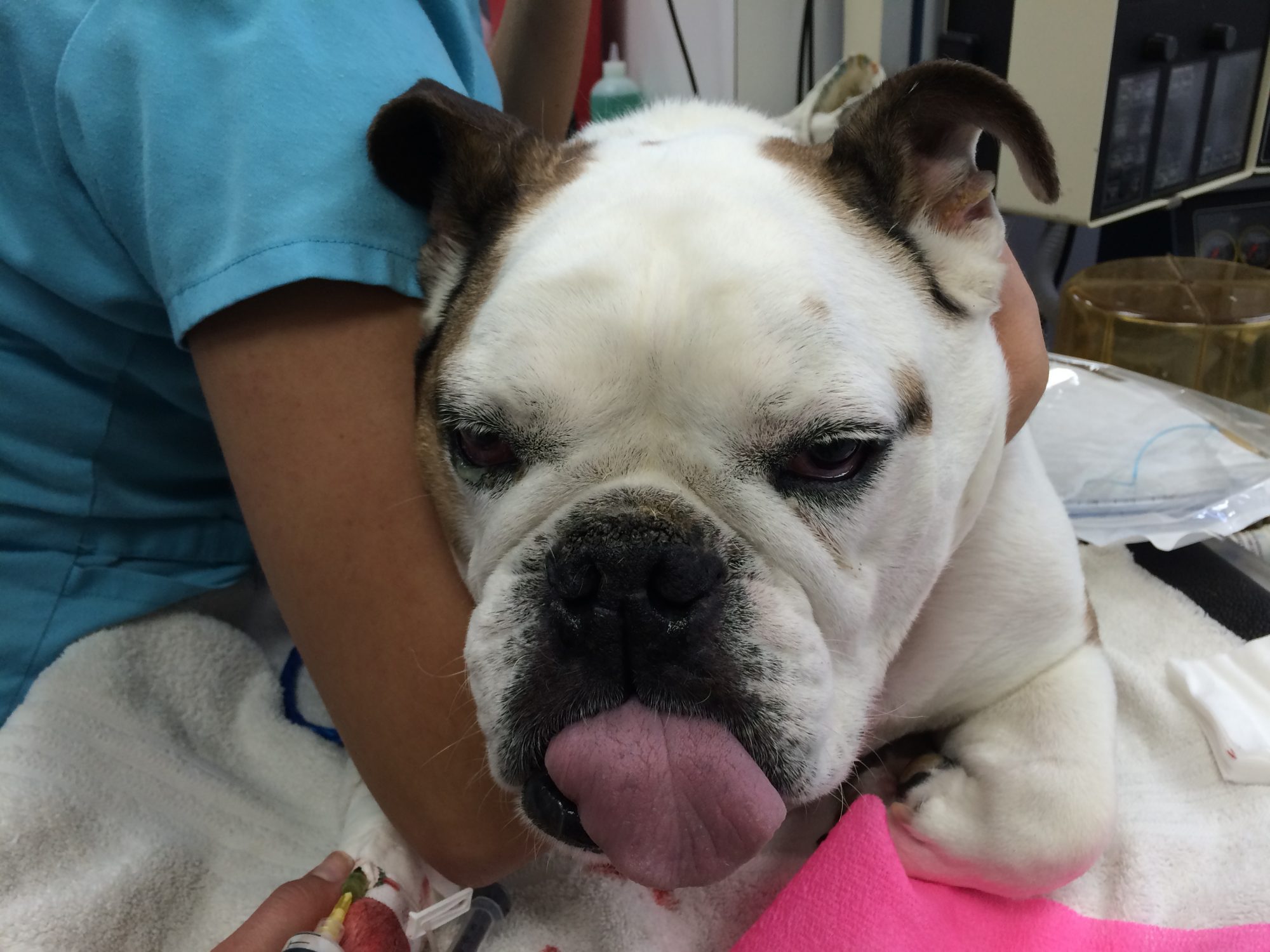 Rocky, a nine-year-old Bulldog, developed a large mass on one of his toes.
It grew to a point that it was difficult to remove and close the skin without sacrificing a toe. In addition, we needed to remove enough tissue around the tumor to “get it all.” I amputated the mass along with the toe at Barton Heights Veterinary Hospital.
About a week later, the biopsy came back… benign! The mass was a nevus – a rather unusual diagnosis in a pet. Rocky recovered very well and was soon walking normally.
Losing a toe may sound terrible, but dogs adjust very nicely!
 |
 |
Dr. Phil Zeltzman is a traveling veterinary surgeon in Pennsylvania & New Jersey. An award-winning author, he loves to share his adventures in practice along with information about vet medicine and surgery that can really help your pets. Dr. Zeltzman specializes in orthopedic, neurologic, cancer, and soft tissue surgeries for dogs, cats, and small exotics. By working with local family vets, he offers the best surgical care, safest anesthesia, and utmost pain management to all his patients. Sign up to get an email when he updates his blog, and follow him on Facebook, too!
Labrador with laryngeal paralysis hits the road to recovery
They say that a journey begins with a single step, but sometimes that step is into your car so you can drive five hours for a scheduled surgery!
Hershey’s owner drove all the way from Jamestown, New York near Lake Erie so I could perform surgery at Barton Heights Veterinary Hospital in Pennsylvania. It was quite the road trip.
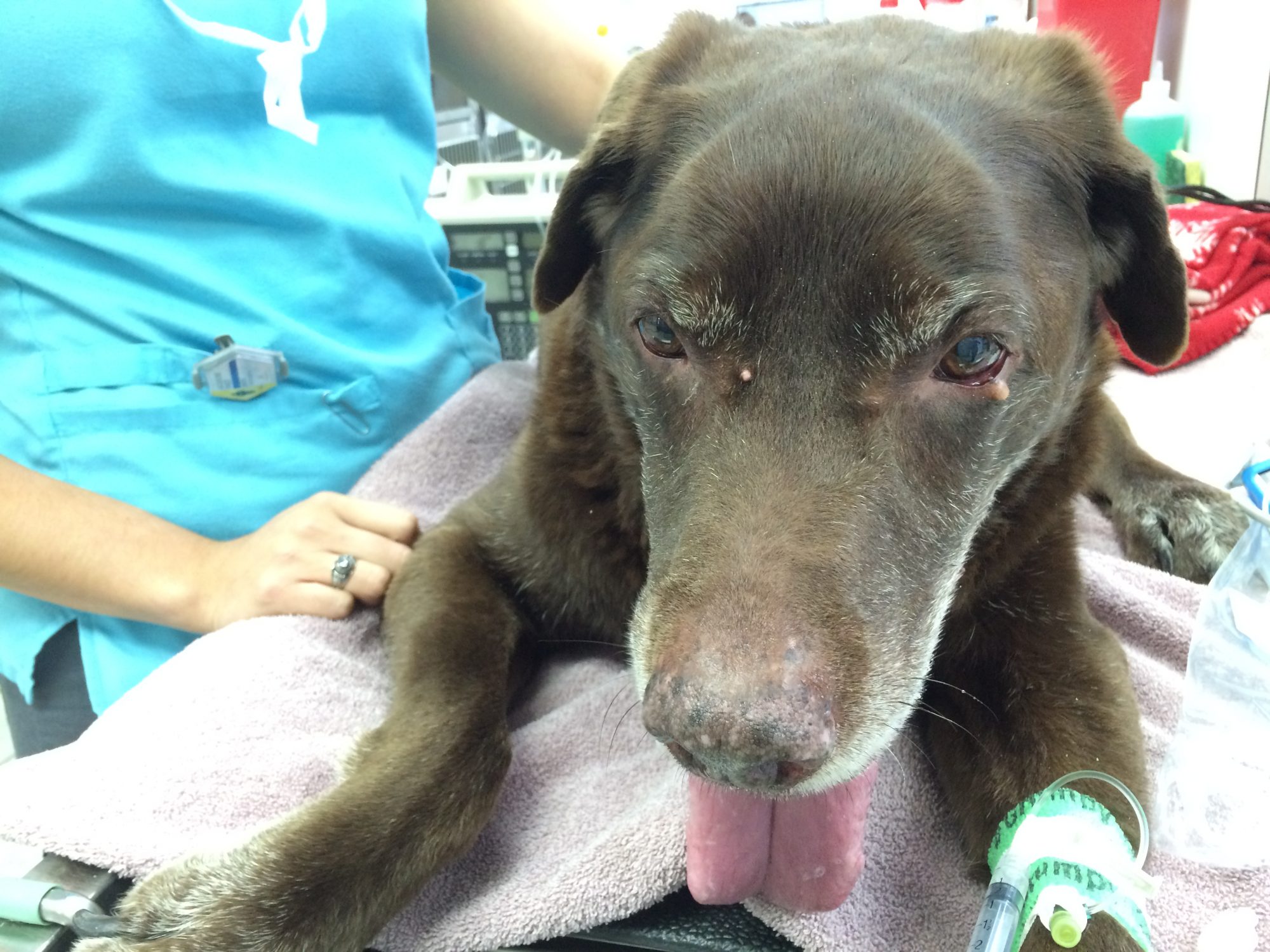
Hershey is an eleven-year-old Lab whose laryngeal paralysis made it difficult for him to breathe. A complicating factor is that he’s diabetic. Hershey’s vet was not sure that surgery was the best bet, but his owner loves Hershey and wasn’t ready to give up on her best friend.
You can see a video of Hershey and his surgery below. He struggles to breathe before the surgery, but after we perform a “tie back” procedure there’s a nice, wide opening. This lets oxygen get in. A tie back surgery uses nylon sutures to keep one side of the larynx open. Two hours after surgery, you can hear the difference! There’s no more struggling and just nice quiet breathing.
You can also see that a small tumor on Hershey’s eyelid was removed. That is a benign tumor called a chalazion, or an adenoma of a Meibomian gland.
Hershey spent a restful night at Barton Heights, and left the hospital for a five hour drive home!
Dr. Phil Zeltzman is a traveling veterinary surgeon in Pennsylvania & New Jersey. An award-winning author, he loves to share his adventures in practice along with information about vet medicine and surgery that can really help your pets. Dr. Zeltzman specializes in orthopedic, neurologic, cancer, and soft tissue surgeries for dogs, cats, and small exotics. By working with local family vets, he offers the best surgical care, safest anesthesia, and utmost pain management to all his patients. Sign up to get an email when he updates his blog, and follow him on Facebook, too!
German Shepherd needs surgery to catch his breath
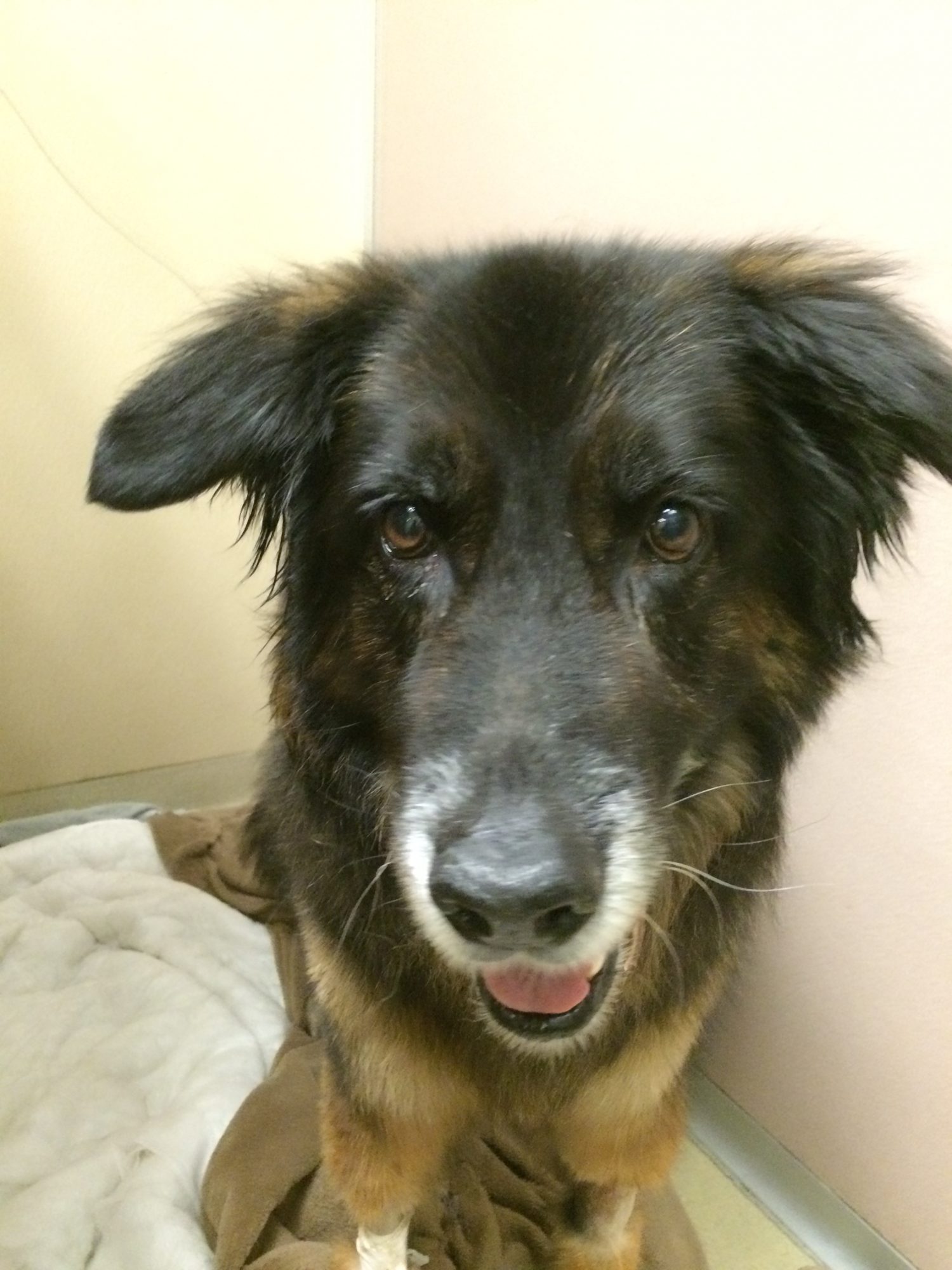 Yuengling, a 7-year-old German Shepherd, had swelling along the left side of his tongue. The mass was so large that Yuengling was having difficulty breathing.
This is called a ranula, or a mucocele. It’s a large pocket of saliva often formed after trauma to a salivary gland. I performed surgery at Berks Animal Emergency & Referral Center and cut the pocket open and sutured the edges together.
But before I could close the incision, the thick, ropy saliva needed to be aspirated. You can see the mass and part of the surgery in the video below.
Dr. Phil Zeltzman is a traveling veterinary surgeon in Pennsylvania & New Jersey. An award-winning author, he loves to share his adventures in practice along with information about vet medicine and surgery that can really help your pets. Dr. Zeltzman specializes in orthopedic, neurologic, cancer, and soft tissue surgeries for dogs, cats, and small exotics. By working with local family vets, he offers the best surgical care, safest anesthesia, and utmost pain management to all his patients. Sign up to get an email when he updates his blog, and follow him on Facebook, too!
Happy Halloween!
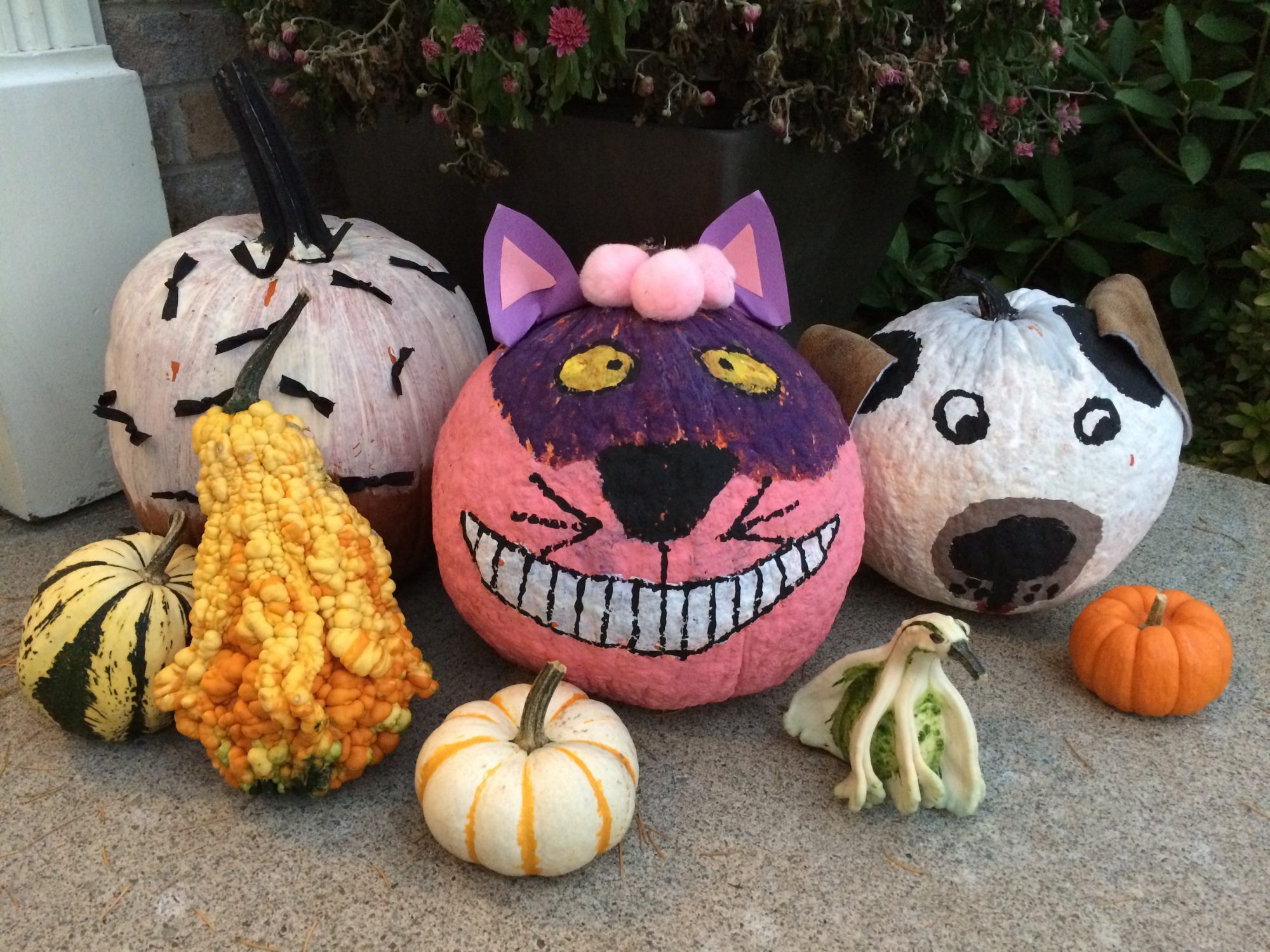
I hope all my clients, patients, and all you animal lovers have a safe and happy Halloween!
Dr. Phil Zeltzman is a traveling veterinary surgeon in Pennsylvania & New Jersey. An award-winning author, he loves to share his adventures in practice along with information about vet medicine and surgery that can really help your pets. Dr. Zeltzman specializes in orthopedic, neurologic, cancer, and soft tissue surgeries for dogs, cats, and small exotics. By working with local family vets, he offers the best surgical care, safest anesthesia, and utmost pain management to all his patients. Sign up to get an email when he updates his blog, and follow him on Facebook, too!