



Dr. Phil Zeltzman’s Blog
One little Pug needs double surgery to fix bladder
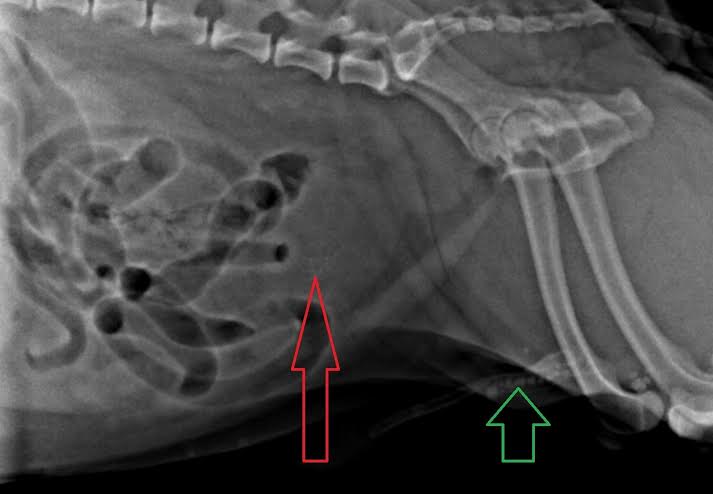
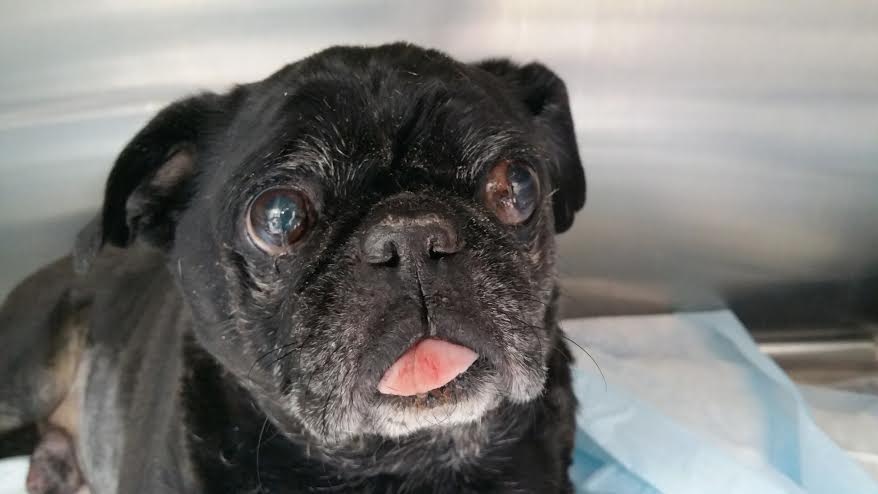 PeeWee is a 7 year old male Pug who couldn’t urinate. He was examined at Barton Heights Veterinary Hospital and an X-ray revealed bladder stones. Some of the stones were able to go down the urethra, which is the tube between the bladder and the outside world. They got stuck and PeeWee couldn’t go to the bathroom.
The red arrow on the X-ray shows some bladder stones. Along the urethra, the green arrow is pointing to some strong stones that look like a string of pearls.
 PeeWee needed two surgeries to fix him up! The first was a cystotomy. This is a bladder surgery that allowed the removal of stones. The stones that were blocking the urethra was pushed back into the bladder, and removed from there.
The second surgery was a urethrostomy.
We suspected that PeeWee had calcium stones, which can sometimes come back. The goal of the urethrostomy is to prevent (or at least greatly decrease) the risk of becoming blocked again. PeeWee had to be neutered in order to perform the urethrostomy.
A larger opening was created in the urethra, making it easier for small stones that might form in the future to escape with urine.
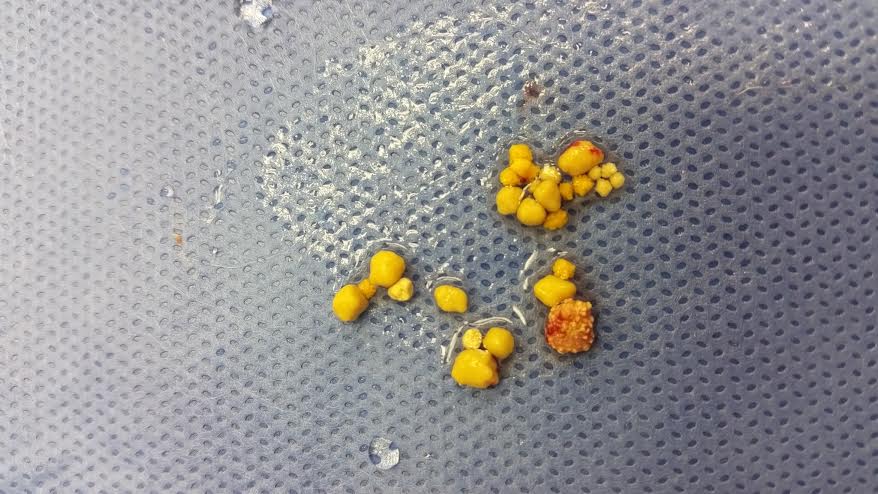 The stones were sent to a lab for analysis, which later confirmed the suspicion of calcium stones.
PeeWee rested for 3 weeks before he was released from his restricted activity. He is now back to normal. Life is much more pleasant when you can urinate!
Bladder stones do not discriminate. They can affect any dog or cat, of any breed, of any age. If your pet ever shows signs that they’re having trouble urinating, take them to the veterinarian as soon as possible!
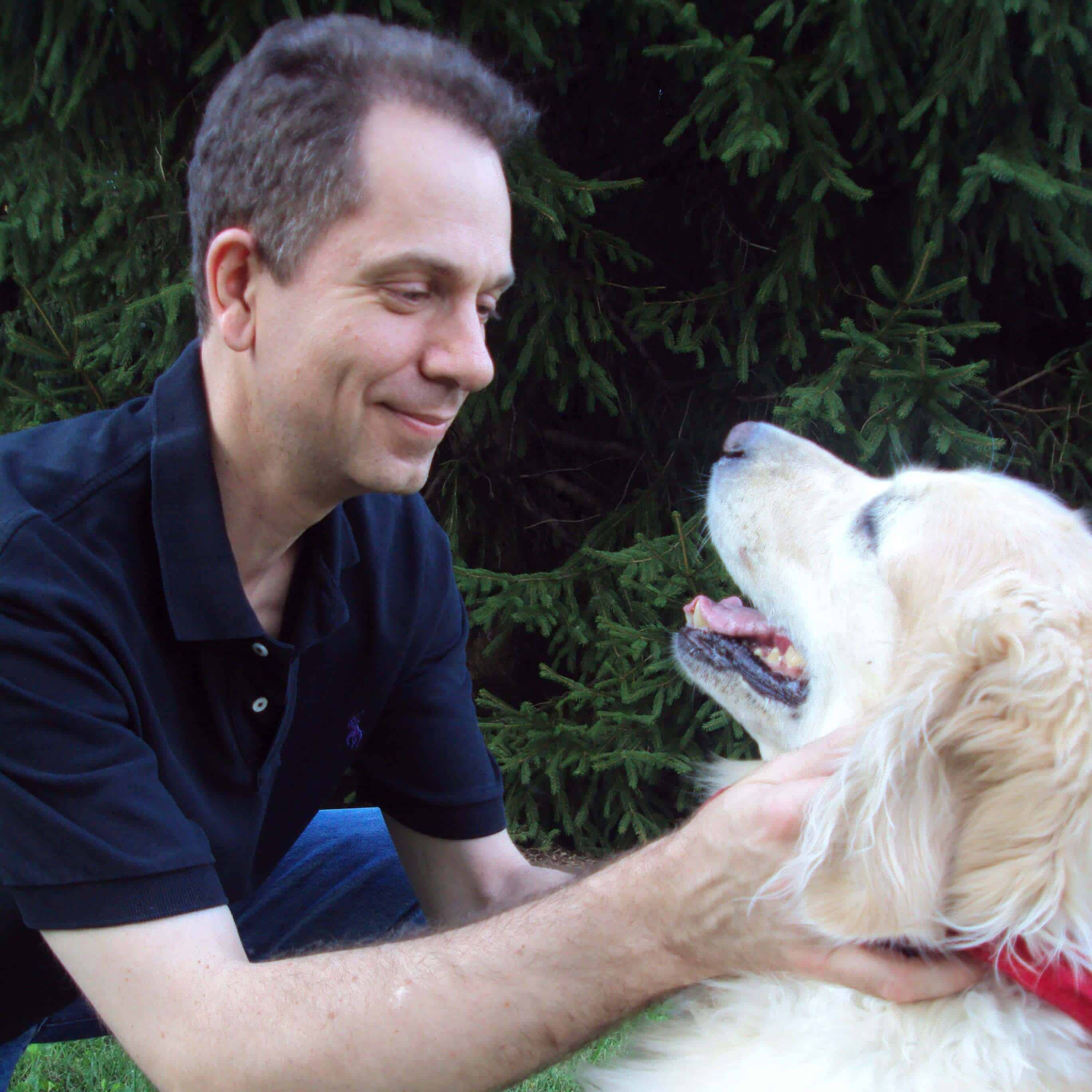
Dr. Phil Zeltzman is a traveling veterinary surgeon in Pennsylvania & New Jersey. An award-winning author, he loves to share his adventures in practice along with information about vet medicine and surgery that can really help your pets. Dr. Zeltzman specializes in orthopedic, neurologic, cancer, and soft tissue surgeries for dogs, cats, and small exotics. By working with local family vets, he offers the best surgical care, safest anesthesia, and utmost pain management to all his patients. Sign up to get an email when he updates his blog, and follow him on Facebook, too!
Australian Shepherd’s scuffle with car sends him to surgery
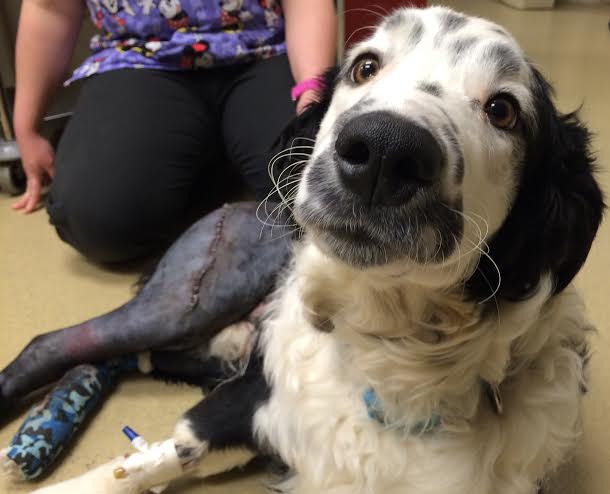 This cutie is Gunner, a one-year-old male Australian Shepherd. Unfortunately, he was run-over in his driveway by his owner and his femur, or thigh bone, was broken.
Fortunately, it was fixable! I performed surgery at Berks Animal Emergency & Referral Center. All it took was a stainless steel plate and 9 screws.
Gunner is recovering well, and everyone is grateful that there’s a happy ending. Amazingly, Gunner’s situation is not an uncommon occurrence in cats and dogs – and even children! Always be aware of your surroundings in your driveway, especially if your pet has access to the driveway and likes to greet you. Then they should be locked up inside the house until it’s safe!
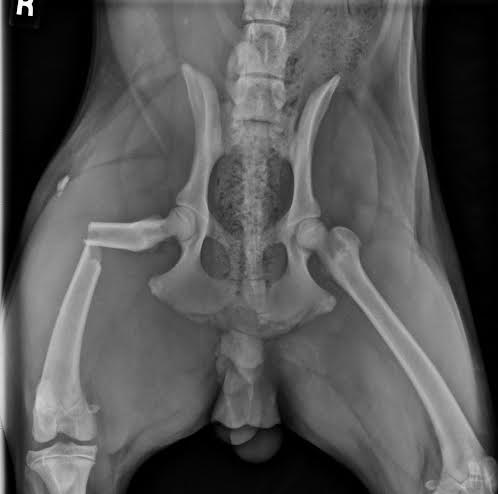 Gunner’s x-ray before surgery. |
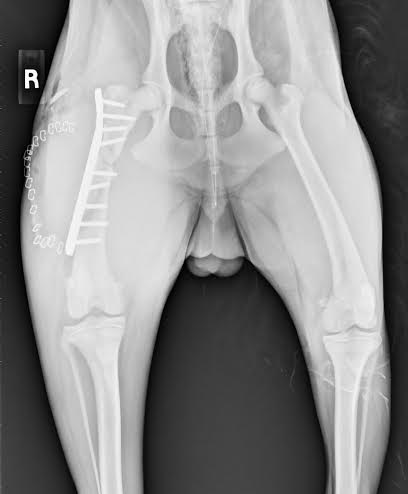 A post-op x-ray showing the plate and screws used to repair the femur. |
Dr. Phil Zeltzman is a traveling veterinary surgeon in Pennsylvania & New Jersey. An award-winning author, he loves to share his adventures in practice along with information about vet medicine and surgery that can really help your pets. Dr. Zeltzman specializes in orthopedic, neurologic, cancer, and soft tissue surgeries for dogs, cats, and small exotics. By working with local family vets, he offers the best surgical care, safest anesthesia, and utmost pain management to all his patients. Sign up to get an email when he updates his blog, and follow him on Facebook, too!
Playful Pointer sisters overcome separation anxiety
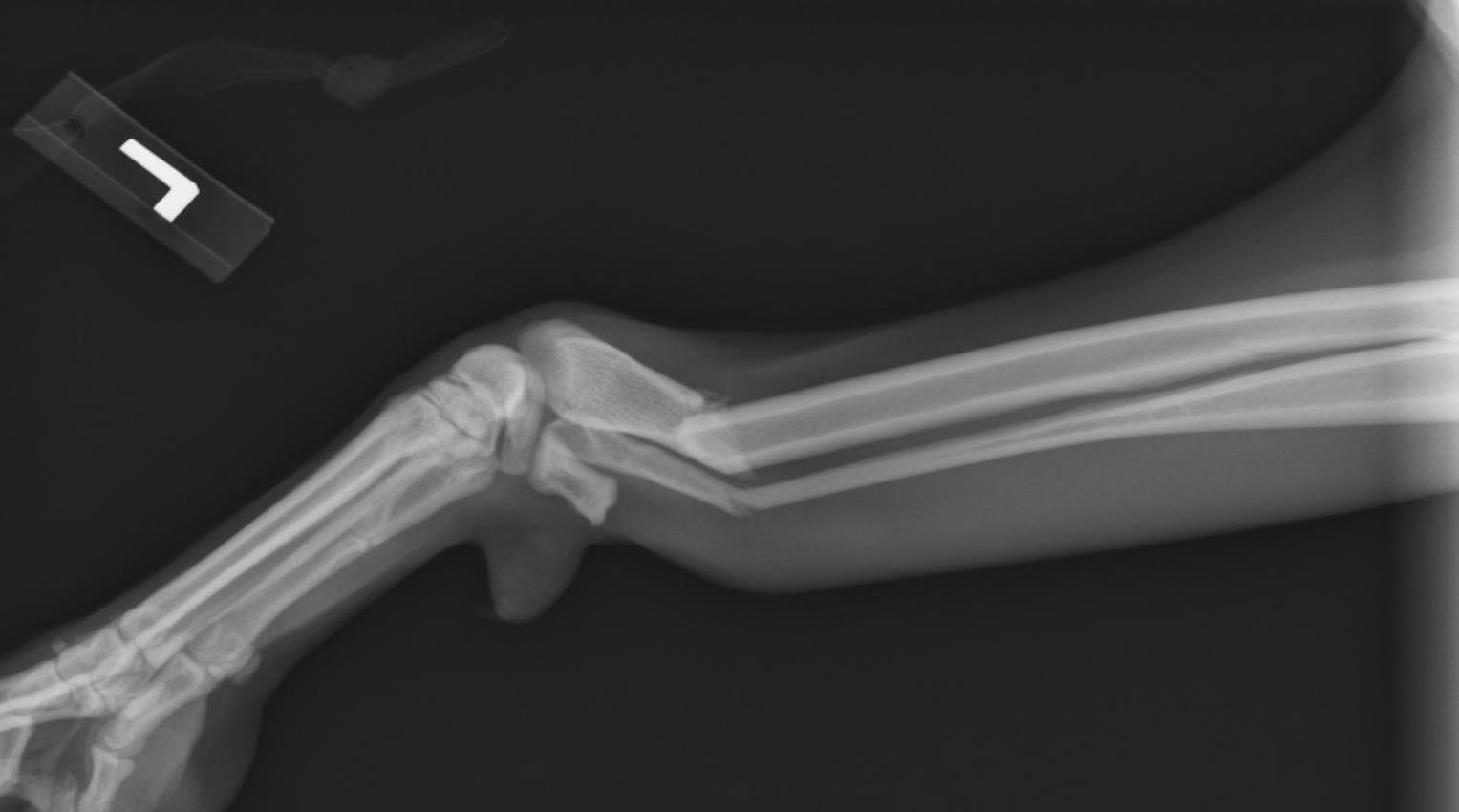
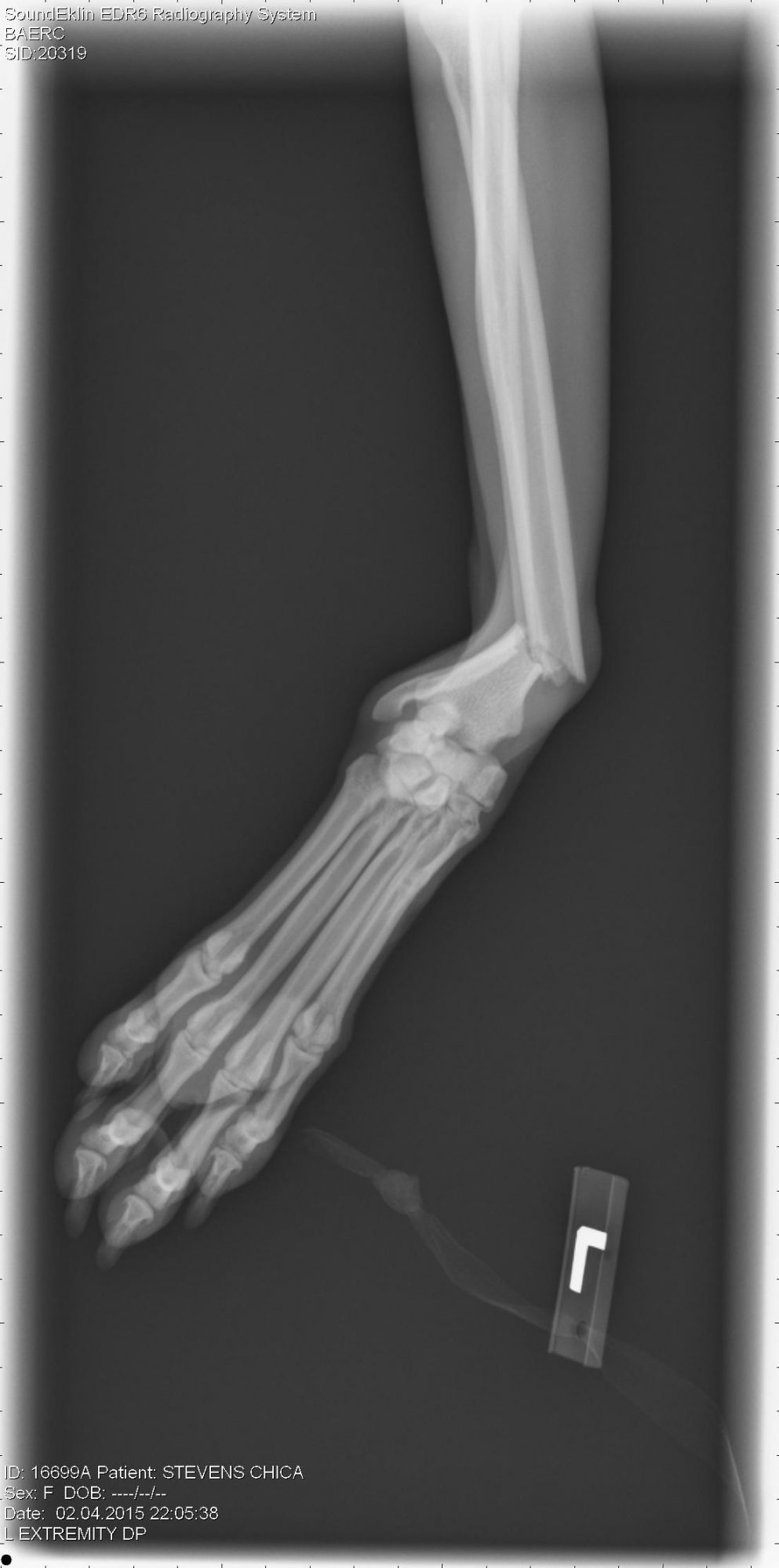
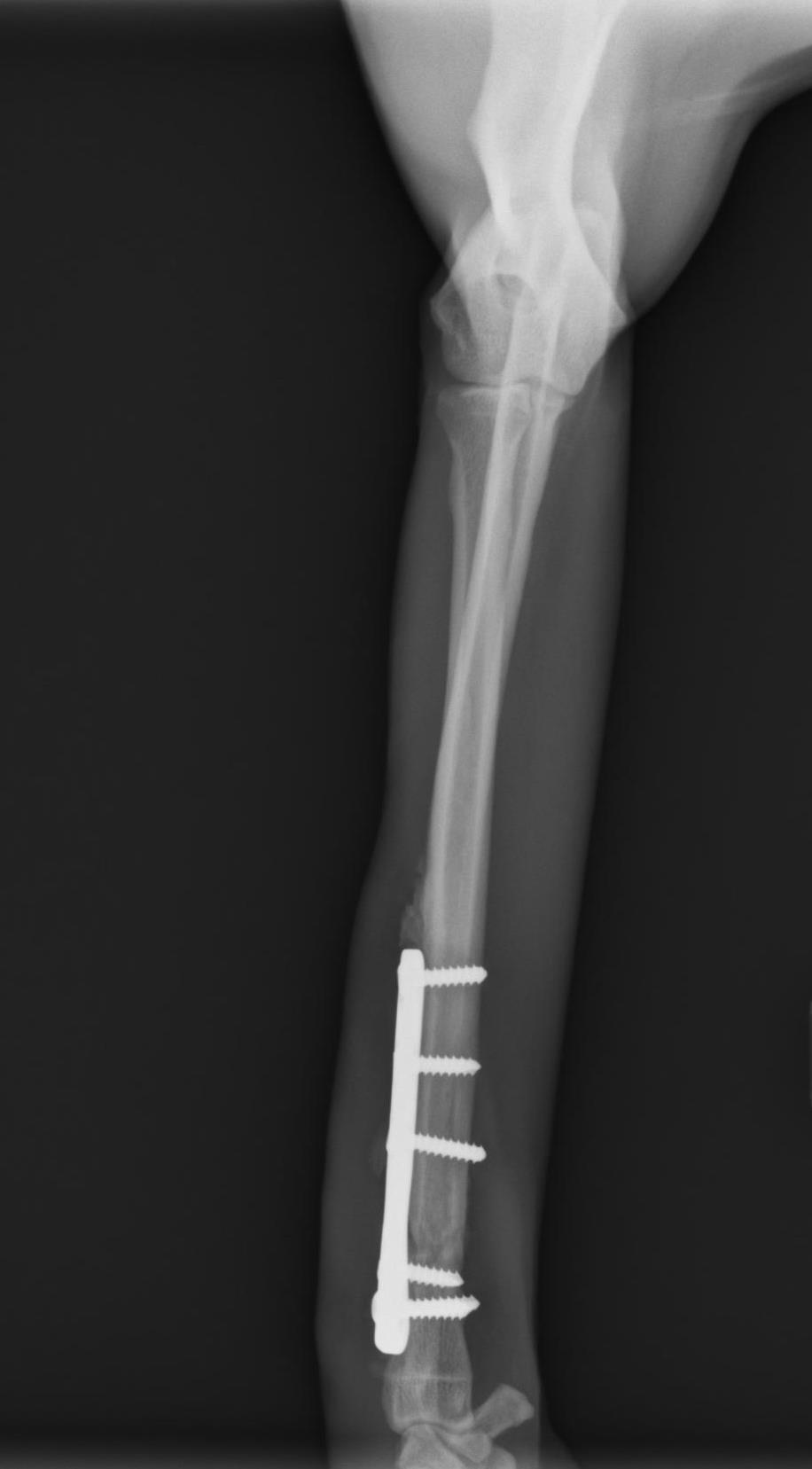
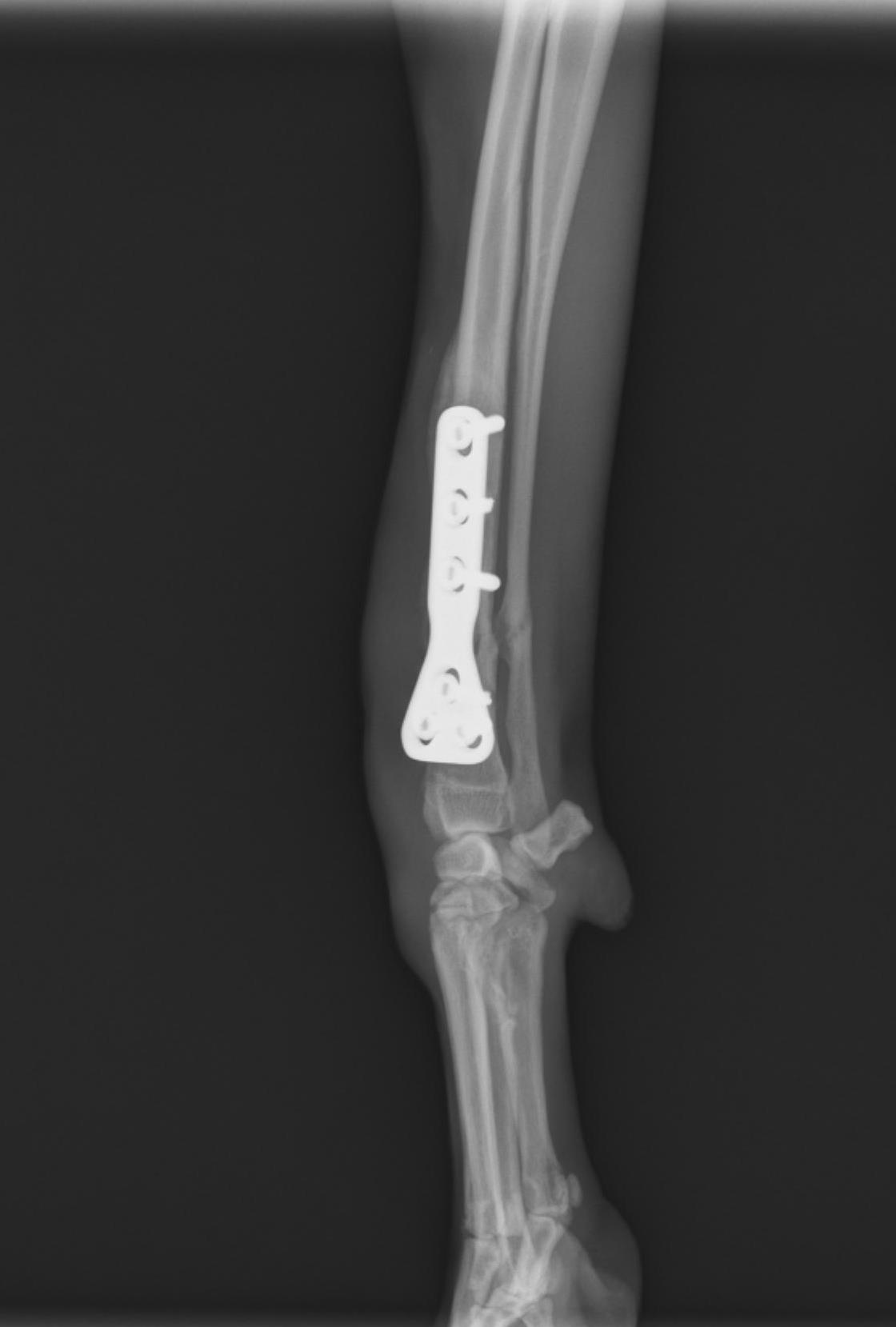
Chica, a 2 year old female German Shorthair Pointer, had a broken forearm (radius and ulna) that required a plate 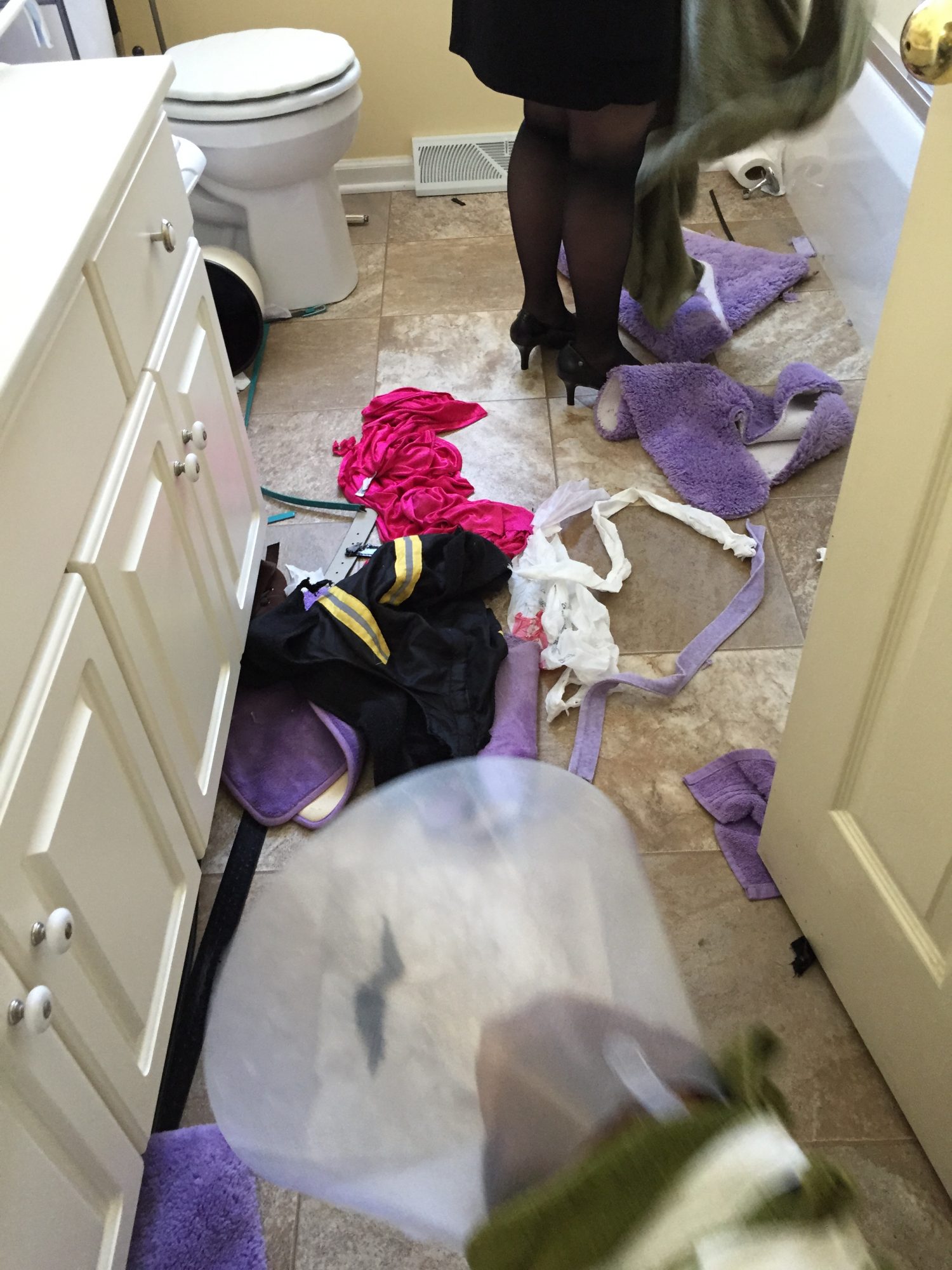 and screws to fix. I operated at Berks Animal Emergency and Referral Center. You can see the broken arm and the repair x-rays below.
Chica had just a tiny bit of separation of anxiety during her recovery, which may have resulted in a bathroom becoming a little messier than normal.
Well over a year after surgery, her owner sent me a wonderful video of Chica playing with her sister.
Can you tell which one is Chica?
She’s the taller one!
 |
 |
 |
 |
Dr. Phil Zeltzman is a traveling veterinary surgeon in Pennsylvania & New Jersey. An award-winning author, he loves to share his adventures in practice along with information about vet medicine and surgery that can really help your pets. Dr. Zeltzman specializes in orthopedic, neurologic, cancer, and soft tissue surgeries for dogs, cats, and small exotics. By working with local family vets, he offers the best surgical care, safest anesthesia, and utmost pain management to all his patients. Sign up to get an email when he updates his blog, and follow him on Facebook, too!
Leia: the Havanese that can’t be kept down
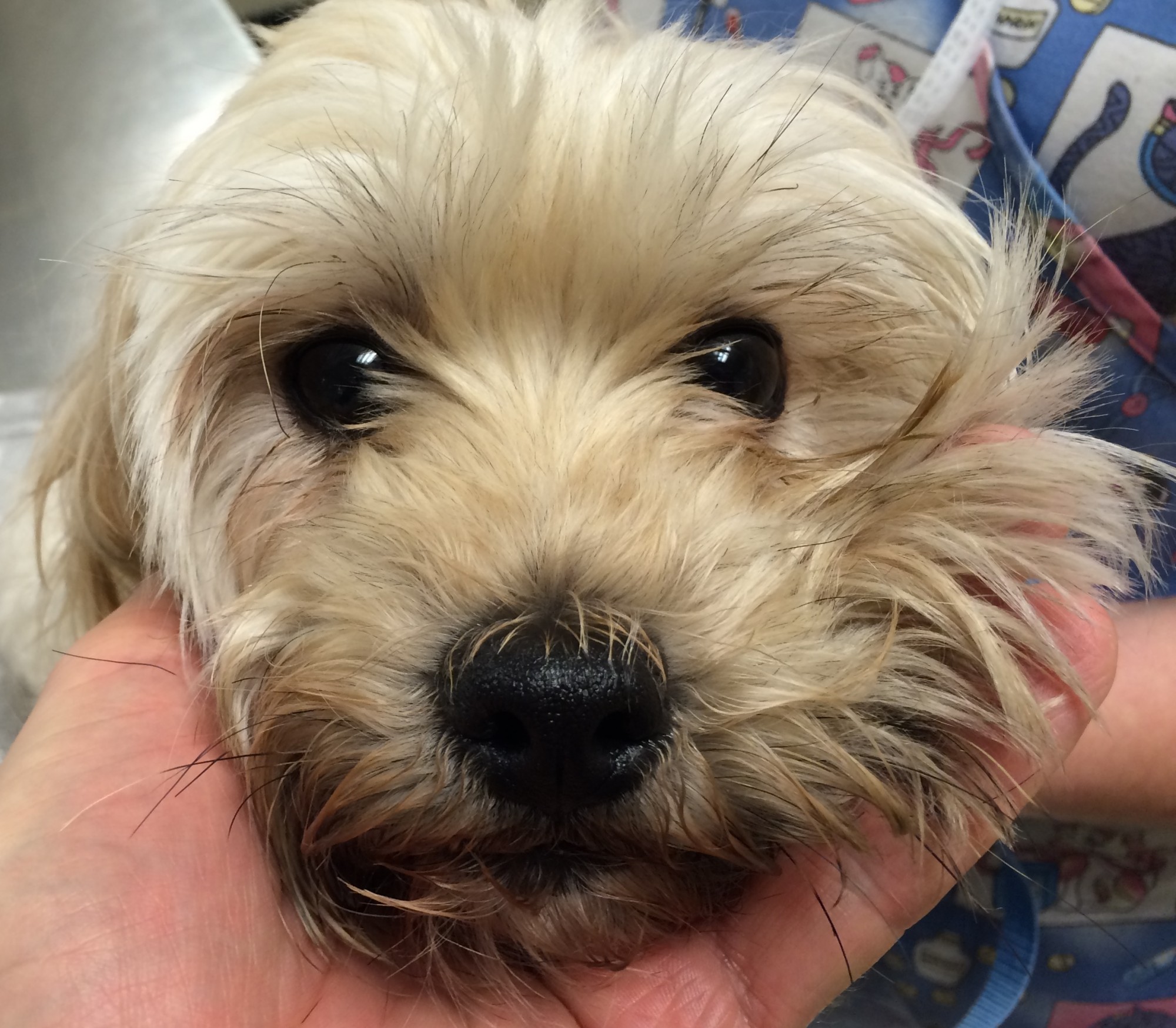 Leia is a 4 year-old female Havanese who just so happens to be cuter than a button.
She was experiencing back pain and right hind leg weakness, in spite of pain medication and cortisone. An MRI showed a slipped disc in the middle of her back, between T13 and L1.
Leia had spinal surgery at Berks Animal and Emergency Referral Center to remove the slipped disc. This is a delicate surgery, that can paralyze a dog, if only temporarily.
Leia did great! Just a few hours after surgery, she went outside for a little walk. Nothing is going to stop Leia!
Back pain can be treated with pain medications and a slipped disc can be treated with cortisone, but studies show that in 80% of cases, these dogs actually need spinal surgery.
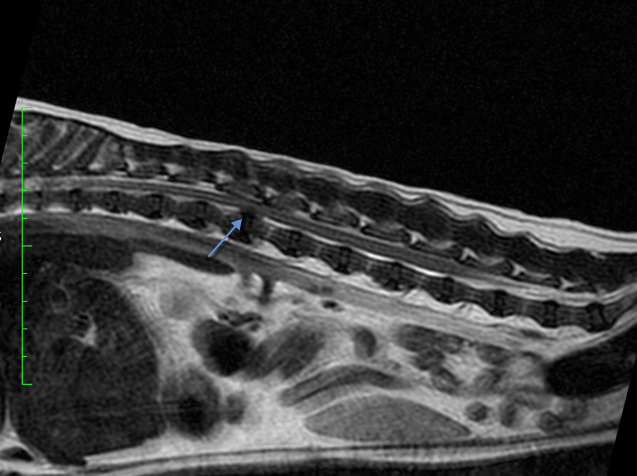
The arrow is pointing at the slipped disc.
Dr. Phil Zeltzman is a traveling veterinary surgeon in Pennsylvania & New Jersey. An award-winning author, he loves to share his adventures in practice along with information about vet medicine and surgery that can really help your pets. Dr. Zeltzman specializes in orthopedic, neurologic, cancer, and soft tissue surgeries for dogs, cats, and small exotics. By working with local family vets, he offers the best surgical care, safest anesthesia, and utmost pain management to all his patients. Sign up to get an email when he updates his blog, and follow him on Facebook, too!
The Fourth Revolution: Fear Free veterinary care for pets
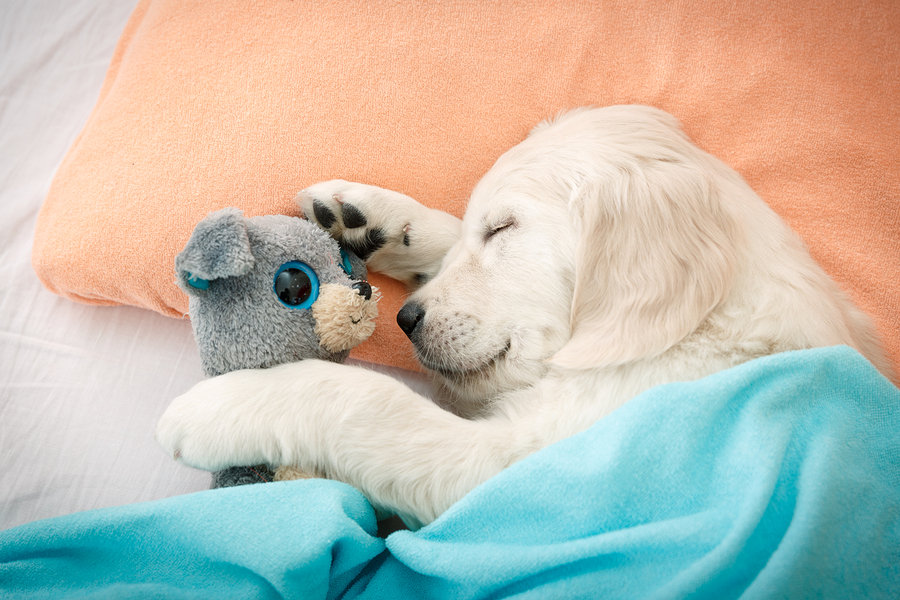 I recently attended a seminar with my wonderful colleague Dr. Marty Becker, the founder of the Fear Free™ movement in veterinary care.
He made an interesting observation, which I thought I should share with my pet-loving readers. He observed there have been four major revolutions in the veterinary world over the past few decades:
Revolution 1: Feline Medicine
There was a time cats lived in the yard or the barn, and weren’t really considered pets. As they moved into the house and became family pets, vets had to come up with anesthesia, medications, and vaccines that were appropriate and safe for cats.
Revolution 2: Dental Care
When vets realized that pets had teeth that needed care, we started recommending brushing their teeth and performing dental cleaning. Specialized veterinary dentists soon appeared, and we were able to offer very advanced care.
Revolution 3: Pain Management
It’s embarrassing, but there was a time when we didn’t understand that pets could feel pain. A whole new world soon emerged. Pain medications started to be included with every surgery. Now, I can’t even conceive doing surgery without multiple pain medications before, during, and after surgery.
Revolution 4: Fear Free Practice
Fear Free is a movement that affects every step of pet care: the car ride, the waiting room, the exam room, around surgery… everything. But here is the interesting observation Dr. Becker made: Feline medicine only affects cats. Dental care mostly affects pets above a certain age. Pain medications only affect pets in pain.
But Fear Free affects every single cat and dog – which makes it all the more important to embrace for vets and pet owners alike.
To learn more about Fear Free:
Reducing Your Cat’s Fear of the Veterinarian
Reducing Your Dog’s Fear of the Veterinarian
Dr. Phil Zeltzman is a traveling veterinary surgeon in Pennsylvania & New Jersey. An award-winning author, he loves to share his adventures in practice along with information about vet medicine and surgery that can really help your pets. Dr. Zeltzman specializes in orthopedic, neurologic, cancer, and soft tissue surgeries for dogs, cats, and small exotics. By working with local family vets, he offers the best surgical care, safest anesthesia, and utmost pain management to all his patients. Sign up to get an email when he updates his blog, and follow him on Facebook, too!